
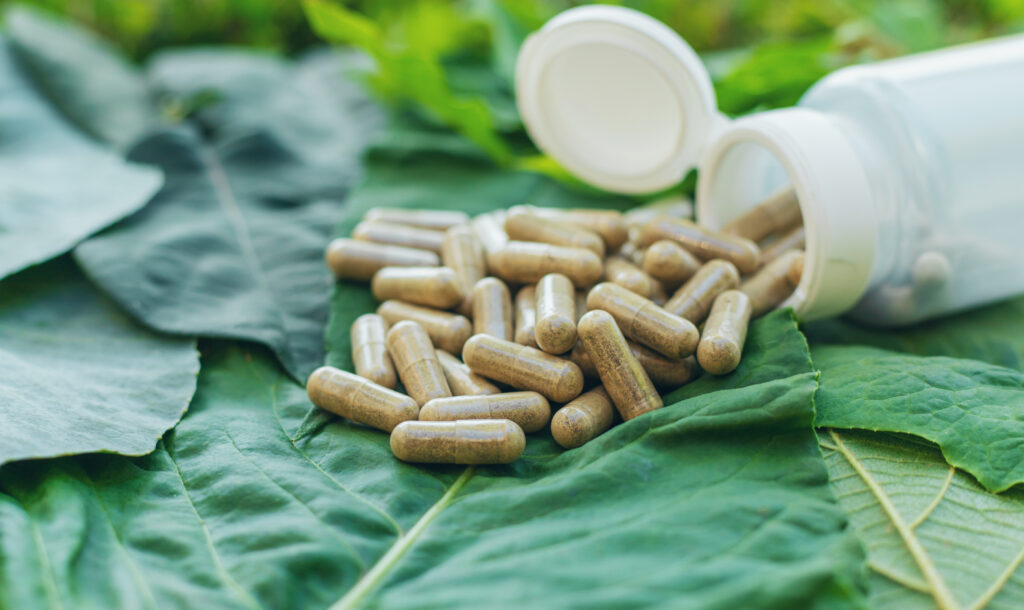
If you or someone you care about has been using Kratom 7-OH and wants to stop, you’re likely searching for answers about how to do it safely. Quitting 7-hydroxymitragynine—the potent alkaloid found in kratom products—can be challenging, but with the right approach and professional support, recovery is absolutely possible.
At 7 Summit Pathways in Tampa, Florida, we understand the unique challenges of Kratom 7-OH dependence. This comprehensive guide will walk you through everything you need to know about tapering off safely, managing withdrawal symptoms, and finding lasting freedom from kratom use.
What Is Kratom 7-OH and Why Is It So Addictive?
7-hydroxymitragynine, commonly known as 7-OH, is a powerful alkaloid found in kratom (Mitragyna speciosa). While naturally present in trace amounts in kratom leaves—typically less than 2% of total alkaloid content—concentrated 7-OH products sold at smoke shops and online can contain up to 98% pure 7-hydroxymitragynine.
This concentrated form binds to opioid receptors in the brain with extraordinary potency. Research published by the National Center for Biotechnology Information shows that 7-OH demonstrates binding affinity 13 to 46 times more potent than morphine at mu-opioid receptors. This opioid-like action explains why many people who start using 7-OH for energy, pain relief, or to manage opioid withdrawal end up developing a significant dependence.
Unlike traditional kratom leaf products that people have used for centuries in Southeast Asia, modern concentrated 7-OH products represent a fundamentally different substance with substantially higher addiction potential. As noted by the U.S. Food and Drug Administration in their 2024 alert, these concentrated products carry serious health risks including seizures, liver toxicity, and the development of substance use disorder.
Understanding Kratom 7-OH Withdrawal: What to Expect
When someone who’s been using 7-OH regularly tries to stop, they typically experience withdrawal symptoms that closely resemble opioid withdrawal. According to a case report published in the Journal of Addiction Medicine, patients experiencing 7-OH withdrawal show symptoms consistent with opioid withdrawal syndrome.
Common Kratom 7-OH Withdrawal Symptoms Include:
Physical Symptoms:
- Muscle aches and joint pain
- Runny nose and watery eyes
- Excessive sweating and chills
- Nausea, vomiting, and diarrhea
- Tremors and shaking
- Insomnia and sleep disturbances
- Fatigue and low energy
- Increased heart rate
- Decreased appetite
Psychological Symptoms:
- Intense anxiety and restlessness
- Depression and mood swings
- Irritability and anger
- Strong cravings for 7-OH
- Difficulty concentrating
- Emotional instability
The severity of your withdrawal symptoms typically depends on several factors including how much 7-OH you’ve been taking, how long you’ve been using it, whether you’re using other substances, and your individual physiology.
Kratom 7-OH Withdrawal Timeline: When Symptoms Start and End
Understanding the withdrawal timeline can help you prepare mentally and physically for the quitting process. While everyone’s experience is unique, most people follow a general pattern:
12-24 Hours After Last Dose
Withdrawal symptoms typically begin within 12 to 24 hours after your last dose of 7-OH. Early symptoms often include anxiety, restlessness, runny nose, and the beginning of muscle aches. Some people describe feeling like they’re coming down with the flu.
Days 1-3: Peak Withdrawal
The most intense withdrawal symptoms usually occur during the first three days. During this period, you may experience the full range of physical and psychological symptoms listed above. Many people report that day two or three feels the most challenging, with symptoms peaking around 48-72 hours after the last dose.
Days 4-7: Acute Phase
After the initial peak, symptoms generally begin to improve, though you’ll likely still feel uncomfortable. Physical symptoms like muscle aches, sweating, and gastrointestinal issues typically start to subside during this period, though sleep problems and mood disturbances may persist.
Weeks 2-4: Post-Acute Phase
Most acute physical symptoms resolve within the first week to ten days. However, psychological symptoms—particularly anxiety, depression, and cravings—can continue for several weeks or even months. This extended period is sometimes called post-acute withdrawal syndrome (PAWS).
Florida Poison Control Centers have documented a significant increase in 7-OH exposure calls, receiving 191 reports in the past year with a 14% increase in just the last three months. This surge in cases, particularly among young adults under 25, highlights the growing need for proper withdrawal management and professional treatment services.
Why Tapering Off 7-OH Is Safer Than Quitting Cold Turkey
While you might be tempted to stop using 7-OH immediately, quitting “cold turkey” can lead to severe withdrawal symptoms that make the process unnecessarily difficult and increase your risk of relapse. Medical professionals strongly recommend tapering—gradually reducing your dose over time—for several important reasons:
Reduces Withdrawal Severity: Tapering allows your brain chemistry to slowly readjust rather than experiencing the shock of sudden cessation. This significantly reduces the intensity of withdrawal symptoms.
Lowers Relapse Risk: When withdrawal becomes unbearable, the urge to use again can feel overwhelming. A gradual taper makes the process more manageable, helping you stay committed to quitting.
Prevents Medical Complications: Sudden withdrawal from high doses of 7-OH can occasionally trigger complications like dehydration, severe depression, or in rare cases, seizures. A medically supervised taper minimizes these risks.
Maintains Daily Function: With a proper taper, many people can continue working, caring for their families, and handling responsibilities—something that’s often impossible during cold turkey withdrawal.
According to research from the National Institute on Drug Abuse, kratom withdrawal symptoms, while generally milder than those from prescription opioids, can still be significant enough to require medical intervention, especially with concentrated 7-OH products.
How to Create Your Kratom 7-OH Tapering Schedule
Creating an effective tapering schedule requires careful planning and, ideally, professional guidance. However, understanding the basic principles can help you prepare for conversations with your healthcare provider.
Step 1: Establish Your Baseline
Before you begin tapering, you need to know exactly how much 7-OH you’re currently taking each day. Use a digital scale or measure your doses precisely. Track your usage for a few days to establish a consistent baseline. This information is crucial for creating a realistic taper schedule.
Step 2: Choose Your Reduction Method
There are several approaches to tapering off 7-OH:
Gradual Dose Reduction Method: This is the most common approach. Reduce your total daily intake by 10-25% every 3-7 days. For example, if you’re taking 60mg daily, you might reduce to 48-54mg for the first period, then continue reducing from there. This method allows your body to adjust gradually while minimizing withdrawal symptoms.
Frequency Reduction Method: Instead of reducing dose sizes, you eliminate one daily dose every few days while keeping the remaining doses the same size. This approach helps break the habit patterns associated with your kratom use.
Hybrid Approach: Many people find success combining both methods—reducing dose sizes while also spacing out the time between doses.
Step 3: Set Realistic Timeframes
A typical successful taper takes anywhere from 2 to 8 weeks, depending on your starting dose and individual factors. Rushing the process often leads to severe withdrawal symptoms and relapse, while extending it too long can reduce motivation. Work with a medical professional to find the right balance for your situation.
Step 4: Monitor and Adjust
Keep a daily journal tracking your doses, withdrawal symptoms, and how you’re feeling physically and emotionally. If you experience severe withdrawal symptoms, it may mean you’re reducing too quickly. Conversely, if you’re experiencing minimal discomfort, you might be able to taper slightly faster.
Sample Tapering Schedule for Kratom 7-OH
Here’s a general example for someone starting at 60mg daily (this is for illustration only—your actual schedule should be determined with medical guidance):
- Weeks 1-2: Reduce to 45mg daily (25% reduction)
- Weeks 3-4: Reduce to 30mg daily (33% reduction)
- Weeks 5-6: Reduce to 15mg daily (50% reduction)
- Weeks 7-8: Reduce to 7.5mg daily, then discontinue
Remember: This is just an example. Your tapering schedule should be personalized based on your usage patterns, withdrawal sensitivity, and medical needs.



Managing Kratom 7-OH Withdrawal Symptoms at Home
While professional medical supervision is always recommended for kratom detox, there are several strategies you can use to ease withdrawal symptoms during your taper:
Physical Symptom Management
Stay Hydrated: Withdrawal can cause sweating and diarrhea, leading to dehydration. Drink plenty of water throughout the day. Electrolyte drinks can also help replace lost minerals.
Over-the-Counter Medications: Non-prescription medications can help with specific symptoms:
- Ibuprofen or acetaminophen for muscle aches and pains
- Loperamide for diarrhea (use as directed)
- Sleep aids for insomnia (consult with a doctor first)
- Anti-nausea medications if needed
Nutritious Foods: Even if you don’t feel hungry, try to eat small, nutritious meals. Foods rich in magnesium (nuts, seeds, leafy greens) and potassium (bananas, sweet potatoes) can help with muscle cramps and energy.
Gentle Exercise: Light physical activity like walking, stretching, or yoga can release natural endorphins that improve mood and reduce discomfort. Don’t push yourself too hard—gentle movement is the goal.
Hot Showers or Baths: Warmth can temporarily relieve muscle aches and help you relax. Some people find alternating between hot and cold water helpful.
Psychological and Emotional Support
Establish a Routine: Structure helps during withdrawal. Create a daily schedule that includes wake-up times, meals, activities, and bedtime. Routines provide stability when you’re feeling unstable.
Mindfulness and Meditation: Deep breathing exercises, progressive muscle relaxation, and guided meditation can reduce anxiety and help manage cravings. Many free apps and online resources are available.
Stay Busy: Boredom and idle time can intensify cravings. Plan activities that keep your mind and hands occupied—hobbies, projects, spending time with supportive friends or family.
Sleep Hygiene: Create a comfortable sleep environment. Keep your bedroom cool and dark, avoid screens before bed, and try relaxation techniques. While insomnia is common during withdrawal, good sleep habits can help.
What About Using Regular Kratom for 7-OH Withdrawal?
Some people in online communities report using traditional kratom products (which contain much lower concentrations of 7-OH) to help manage withdrawal from concentrated 7-OH products. While this approach might seem logical, it’s important to understand that you’re essentially substituting one opioid-like substance for another.
This strategy carries significant risks including prolonging your dependence, developing kratom use disorder, and simply shifting your addiction rather than resolving it. If you’re considering this approach, it should only be done under medical supervision as part of a structured treatment plan.
When Professional Treatment Is Essential
While some people successfully taper off 7-OH at home, many situations require professional medical intervention. You should seek professional help at a treatment center like 7 Summit Pathways if:
You’ve tried to quit before and relapsed: Multiple failed quit attempts suggest you need additional support and structure that professional treatment provides.
You’re experiencing severe withdrawal symptoms: If your symptoms are unbearable, dangerous, or interfere significantly with daily life, medical detox can make the process safer and more comfortable.
You’re using high doses or have been using for a long time: Extended use of high doses typically requires medical supervision during withdrawal.
You have co-occurring mental health conditions: Depression, anxiety, PTSD, or other mental health disorders can complicate withdrawal and require integrated treatment.
You’re using other substances: If you’re also using alcohol, benzodiazepines, or other drugs, professional detox is essential for your safety.
You lack a stable support system: Recovery is difficult without support. Professional treatment provides structure, accountability, and community.
You’re experiencing thoughts of self-harm: Any suicidal thoughts or urges to harm yourself require immediate professional intervention. Call 988 (Suicide & Crisis Lifeline) or go to your nearest emergency room.
According to recent research published in medical journals, medically supervised withdrawal management significantly improves outcomes for individuals dependent on kratom and its alkaloids. Professional treatment offers several advantages that at-home tapering cannot provide.
Medical Treatment Options for Kratom 7-OH Dependence
Professional treatment for Kratom 7-OH dependence typically follows protocols similar to those used for opioid use disorder, given 7-OH’s opioid-like properties.
Medication-Assisted Treatment (MAT)
Several medications can help manage kratom withdrawal and support recovery:
Buprenorphine (Suboxone): Research published in medical case studies shows that buprenorphine can effectively manage 7-OH withdrawal symptoms. This partial opioid agonist helps reduce cravings and withdrawal discomfort without producing the same euphoric effects. At 7 Summit Pathways, we offer comprehensive medication-assisted treatment programs tailored to your needs.
Clonidine or Lofexidine: These medications can help manage physical withdrawal symptoms like sweating, rapid heartbeat, and anxiety.
Antidepressants: For individuals experiencing significant depression during withdrawal, antidepressant medications may be prescribed.
Sleep Medications: Short-term use of prescription sleep aids can help address severe insomnia during the acute withdrawal phase.
Levels of Care at 7 Summit Pathways
Our Tampa facility offers multiple treatment levels to match your specific needs:
Medical Detox: Our medically supervised detoxification program provides 24/7 medical monitoring, medication management, and support during the acute withdrawal phase. This is the safest option for individuals with severe dependence or complicated medical histories.
Inpatient Treatment: After detox, many clients benefit from our residential addiction treatment program, which provides intensive therapy, structure, and support in a healing environment. Living on-site removes you from triggers and allows you to focus completely on recovery.
Partial Hospitalization Program (PHP): Our PHP offers intensive daytime treatment (typically 6-8 hours per day, 5 days per week) while allowing you to return home or to sober living each evening. This level of care is ideal for those stepping down from inpatient treatment or who need intensive support but have stable housing.
Intensive Outpatient Program (IOP): IOP provides structured treatment several times per week while allowing you to maintain work, school, or family responsibilities. This level of care works well for individuals with less severe dependence or those transitioning from higher levels of care.
Outpatient Therapy: Ongoing individual and group therapy sessions help maintain recovery, address underlying issues, and build long-term coping skills.
Addressing the Root Causes: Why People Use Kratom 7-OH
Successful recovery from 7-OH dependence requires more than just managing withdrawal symptoms—it means addressing why you started using kratom products in the first place. Common underlying issues include:
Chronic Pain Management: Many people initially turn to 7-OH seeking relief from persistent pain conditions. Comprehensive pain management strategies that don’t involve addictive substances are essential for long-term recovery.
Self-Medication for Mental Health: Anxiety, depression, PTSD, and other mental health conditions often drive kratom use. Treating these co-occurring disorders through therapy and appropriate psychiatric medications is crucial.
Opioid Withdrawal: Some individuals use kratom or 7-OH to manage withdrawal from prescription opioids or heroin. While this might seem like harm reduction, it often creates a new dependence that requires professional treatment.
Energy and Productivity: The stimulant effects of kratom at lower doses lead some people to use it for work performance or daily energy. Addressing sleep issues, nutrition, and stress management can provide healthier energy solutions.
At 7 Summit Pathways, our dual diagnosis treatment program addresses both substance use and mental health conditions simultaneously. We understand that treating only the addiction without addressing underlying causes sets you up for relapse.
Building Your Recovery Support System
Long-term success in quitting 7-OH requires a strong support network. Here’s how to build one:
Family and Friends: Educate your loved ones about kratom dependence and withdrawal. Let them know how they can support you. Clear communication about your needs and boundaries is essential.
Support Groups: Organizations like Narcotics Anonymous (NA) or SMART Recovery offer peer support from others who understand addiction and recovery. Many groups now meet both in person and virtually.
Therapy and Counseling: Individual therapy helps you process emotions, develop coping skills, and address underlying issues. Our therapists specialize in addiction and trauma-informed care.
Accountability Partners: Having someone you can call during moments of weakness or strong cravings can make the difference between staying clean and relapsing.
Recovery Community: Building friendships with others in recovery creates a social network that supports your new lifestyle. Our alumni program helps you stay connected after treatment ends.
Life After Kratom 7-OH: What Recovery Looks Like
Many people worry about what life will be like without the substance they’ve relied on. The truth is that while the first weeks and months can be challenging, most people discover that life improves dramatically once they’re free from 7-OH dependence.
Physical Health Improvements: Your body begins healing from the effects of chronic 7-OH use. Energy levels stabilize naturally, sleep improves, and overall physical health gets better.
Mental Clarity: The brain fog and cognitive difficulties associated with regular kratom use clear up. Many people report thinking more clearly and making better decisions.
Emotional Stability: While mood swings are common during early recovery, emotions eventually stabilize. Many people experience a fuller range of emotions and better emotional regulation than they had while using.
Better Relationships: Addiction strains relationships. Recovery allows you to rebuild trust, communicate more effectively, and form healthier connections with loved ones.
Financial Stability: Addiction is expensive. Quitting 7-OH frees up money for things that truly matter to you and helps resolve financial problems created by your use.
Authentic Living: Perhaps most importantly, recovery allows you to live authentically—making choices based on your values rather than being controlled by cravings and dependence.
Special Considerations and Safety Warnings
Risks of Contaminated Products
Because kratom and 7-OH products are not FDA-regulated, there’s significant risk of contamination with other substances. Some products have been found to contain heavy metals, bacteria, or even synthetic opioids like fentanyl. If you’ve been using products from unknown sources, professional medical supervision during withdrawal is especially important.
Pregnancy and Kratom 7-OH
If you’re pregnant or think you might be pregnant, it’s critical to seek medical care immediately. The FDA has reported cases of neonatal abstinence syndrome in babies born to mothers using kratom during pregnancy. Your doctor can help you safely manage your kratom use and protect your baby’s health.
Interactions with Other Medications
7-OH can interact dangerously with other medications, particularly:
- Benzodiazepines (Xanax, Valium, Klonopin)
- Other opioids or pain medications
- Certain antidepressants
- Medications that affect liver enzymes
Always inform your healthcare providers about your 7-OH use to avoid potentially dangerous interactions.
Take the First Step Toward Freedom from Kratom 7-OH Today
Quitting Kratom 7-OH is challenging, but you don’t have to face it alone. At 7 Summit Pathways in Tampa, Florida, we’ve helped countless individuals break free from kratom dependence and build fulfilling lives in recovery.
Our compassionate, experienced team understands the unique challenges of 7-OH withdrawal. We offer evidence-based treatment approaches, medical supervision, and comprehensive support to help you succeed.
Whether you’re just beginning to think about quitting or you’re ready to start your taper today, we’re here to help guide you through every step of the process.
Ready to Start Your Recovery Journey?
📞 Call 7 Summit Pathways today at (813) 212-8129
Our admissions coordinators are available 24/7 to answer your questions, verify your insurance, and help you get started with treatment. You don’t have to wait another day to take control of your life.
📍 Visit us at 1910 Orient Rd, Tampa, FL 33619
We offer free tours of our facility so you can see our treatment environment and meet our staff. We’re conveniently located in Tampa and serve individuals and families throughout Florida.
Verify Your Insurance Coverage
We accept most major insurance plans and can help you understand your benefits. Our admissions team will verify your coverage and explain your out-of-pocket costs so there are no surprises.
Recovery from Kratom 7-OH dependence is possible. With the right support, treatment, and commitment, you can build a healthy, fulfilling life free from substance dependence. Let today be the day you choose healing.
Frequently Asked Questions About Kratom 7-OH Withdrawal
How long does it take to detox from Kratom 7-OH?
Acute physical withdrawal symptoms typically last 5-10 days, with symptoms peaking around days 2-3. However, psychological symptoms like anxiety, depression, and cravings can persist for several weeks or months. A medically supervised taper typically takes 2-8 weeks depending on your usage levels and individual needs.
Can I die from Kratom 7-OH withdrawal?
While kratom withdrawal is generally not considered life-threatening in the way that alcohol or benzodiazepine withdrawal can be, severe cases can lead to complications like dehydration, severe depression, or other medical issues. There have been documented fatalities associated with kratom use and withdrawal, particularly when combined with other substances. This is why medical supervision is strongly recommended.
Is Kratom 7-OH the same as regular kratom?
No. While both come from the kratom plant, concentrated 7-OH products contain dramatically higher levels of 7-hydroxymitragynine—sometimes 98% pure versus less than 2% in traditional kratom leaves. This makes 7-OH products significantly more potent and addictive, with stronger opioid-like effects and more severe withdrawal.
Will insurance cover treatment for Kratom 7-OH addiction?
Most insurance plans cover substance use disorder treatment, including kratom dependence. Coverage varies by plan, but many policies cover detox, inpatient treatment, and outpatient services. Contact 7 Summit Pathways at (813) 212-8129 to verify your specific insurance benefits.
How is Kratom 7-OH treated compared to opioid addiction?
Because 7-OH acts on opioid receptors similar to prescription opioids, treatment protocols are very similar. This includes medically supervised detox, potential use of medications like buprenorphine to manage withdrawal, therapy to address underlying issues, and ongoing support to prevent relapse.
Sources:
- National Institute on Drug Abuse (NIDA). “Kratom DrugFacts.” Available at: https://nida.nih.gov/publications/drugfacts/kratom
- U.S. Food and Drug Administration. “FDA Warns Consumers Not to Use Certain Kratom Products.” Available at: https://www.fda.gov/news-events/press-announcements/
- Substance Abuse and Mental Health Services Administration (SAMHSA). “Treatment Approaches for Drug Addiction.” Available at: https://www.samhsa.gov/find-help/national-helpline
- Wightman RS, et al. “A Case of 7-OH Mitragynine Use Requiring Inpatient Medically Managed Withdrawal.” Journal of Addiction Medicine. 2025.
- Florida Poison Control Centers. “Florida AG Bans Potent Kratom Compound 7-OH Under Emergency Rule.” Available at: https://floridapoisoncontrol.org/
- National Center for Biotechnology Information. “Evaluation of the rewarding effects of mitragynine and 7-hydroxymitragynine.” PMC. Available at: https://pmc.ncbi.nlm.nih.gov/
Medical Disclaimer: This article is for educational purposes only and should not replace professional medical advice. Kratom 7-OH withdrawal can be medically complex and may require professional supervision. Anyone considering reducing or stopping kratom use should consult with qualified healthcare providers.