
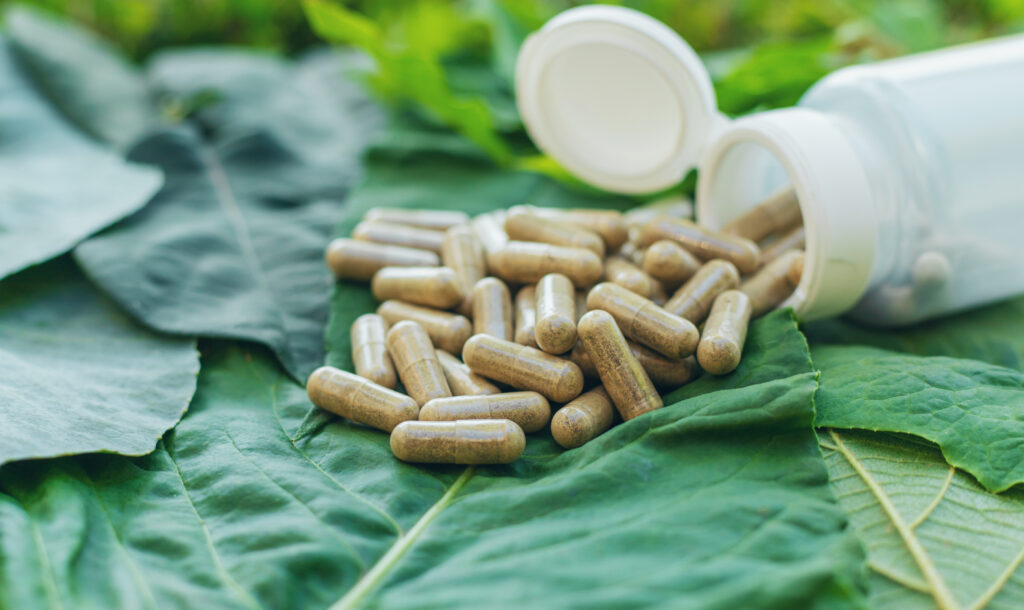
If you or someone you care about has been using Kratom 7-OH and wants to stop, you’re likely searching for answers about how to do it safely. Quitting 7-hydroxymitragynine — the potent alkaloid found in concentrated kratom products — can be challenging, and because of how powerfully 7-OH acts on the brain’s opioid receptors, tapering and detox from 7-OH should always be managed by a licensed medical provider, not attempted alone at home.
At 7 Summit Pathways in Tampa, Florida, we understand the unique challenges of Kratom 7-OH dependence and offer medically supervised 7-OH detox. This guide explains what 7-OH is, what withdrawal looks like, why medical supervision matters, and how to take the next step toward recovery.
If you’re ready to stop using 7-OH, call our Tampa team at (813) 630-4673 to speak with an admissions specialist today.
What Is Kratom 7-OH and Why Is It So Addictive?
7-hydroxymitragynine, commonly known as 7-OH, is a powerful alkaloid found in kratom (Mitragyna speciosa). While naturally present in trace amounts in kratom leaves — typically less than 2% of total alkaloid content — concentrated 7-OH products sold at smoke shops and online can contain up to 98% pure 7-hydroxymitragynine.
This concentrated form binds to opioid receptors in the brain with extraordinary potency. Research indexed on the National Center for Biotechnology Information shows that 7-OH demonstrates binding affinity many times more potent than morphine at mu-opioid receptors. This opioid-like action explains why many people who start using 7-OH for energy, pain relief, or to manage opioid withdrawal end up developing a significant dependence.
Unlike traditional kratom leaf products that people have used for centuries in Southeast Asia, modern concentrated 7-OH products represent a fundamentally different substance with substantially higher addiction potential. The U.S. Food and Drug Administration has warned that these concentrated products carry serious health risks including seizures, liver toxicity, respiratory depression, and substance use disorder. In August 2025, Florida went a step further, classifying concentrated 7-OH as a Schedule I controlled substance under an emergency rule from the Florida Attorney General.
Understanding Kratom 7-OH Withdrawal
When someone who has been using 7-OH regularly stops, they typically experience withdrawal symptoms that closely resemble opioid withdrawal. Because 7-OH activates the same brain receptors as heroin, fentanyl, and prescription opioids, withdrawal can be intense — and in some cases, medically risky.
Physical symptoms can include:
- Muscle aches and joint pain
- Runny nose, watery eyes, sweating, and chills
- Nausea, vomiting, and diarrhea
- Tremors and shaking
- Insomnia and fatigue
- Elevated heart rate and blood pressure
- Loss of appetite
Psychological symptoms can include:
- Intense anxiety and restlessness
- Depression and mood swings
- Irritability and anger
- Strong cravings
- Difficulty concentrating
- Emotional instability
The severity of withdrawal depends on how much 7-OH you’ve been taking, how long you’ve been using it, whether you’re using other substances, and your individual health history. People taking high daily doses or using 7-OH alongside alcohol, benzodiazepines, or other opioids face the highest risk for serious complications.
Kratom 7-OH Withdrawal Timeline
While everyone’s experience is unique, most people follow a general pattern. A medical provider can monitor you through each phase and adjust treatment as your body responds.
12–24 hours after the last dose. Early symptoms typically begin within a day and may include anxiety, restlessness, runny nose, and the onset of muscle aches. Many people describe feeling like they’re coming down with the flu.
Days 1–3: Peak withdrawal. Symptoms generally peak within the first 48–72 hours. This is the most physically and emotionally demanding stretch, and it is the period when medical supervision matters most — both for symptom relief and to manage dehydration, blood pressure changes, and the risk of severe depression or suicidal thinking.
Days 4–7: Acute phase winds down. Physical symptoms like muscle aches, sweating, and gastrointestinal distress start to ease, though sleep disturbances and low mood often linger.
Weeks 2–4: Post-acute phase. Most acute physical symptoms resolve within the first week to ten days. Psychological symptoms — particularly anxiety, depression, and cravings — can continue for several weeks. This extended period is sometimes referred to as post-acute withdrawal syndrome (PAWS) and is one of the leading causes of relapse for people who try to quit without ongoing clinical support.
Florida Poison Control Centers have documented a sharp rise in 7-OH exposure calls, particularly among adults under 25 — underscoring how serious and increasingly common 7-OH-related medical emergencies have become in our state.
Why You Should Not Taper Off 7-OH Alone
You may have seen online forums or social media posts suggesting do-it-yourself tapering schedules for kratom or 7-OH. We do not recommend this approach for anyone using concentrated 7-OH products, and here’s why:
7-OH is an opioid-strength substance. Because 7-OH binds to mu-opioid receptors with potency comparable to or greater than morphine, withdrawal can produce dangerous physiological changes — including dehydration, electrolyte imbalances, elevated heart rate, severe insomnia, and, in some cases, suicidal ideation. These risks require clinical monitoring, not guesswork at home.
Self-tapering frequently fails. Without medical support, most people underestimate their actual usage, reduce too fast, and then return to a full dose when cravings peak — often at higher amounts than before, which raises overdose risk.
Polysubstance use complicates everything. Many people using 7-OH are also using alcohol, benzodiazepines, prescription opioids, or other substances. Tapering off 7-OH while continuing to use these — or while quitting them simultaneously — can cause serious medical complications that simply cannot be safely managed without a clinician.
Medication-assisted treatment may be appropriate. Because 7-OH withdrawal so closely mirrors opioid withdrawal, FDA-approved medications used in opioid use disorder may significantly reduce symptoms and cravings. Only a licensed medical provider can evaluate whether this is right for you.
The safest path off Kratom 7-OH is a medically supervised detox followed by structured addiction treatment. Reach out to our Tampa team at (813) 630-4673 to discuss your options.
What Medically Supervised Kratom 7-OH Treatment Looks Like at 7 Summit Pathways
At our Tampa, Florida facility, we treat Kratom 7-OH dependence the way it should be treated — as an opioid-type substance use disorder requiring clinical care, not a problem you solve with willpower and a kitchen scale.
Medical Detoxification
Our medical detox program is the safest place to begin. A licensed medical team evaluates you on admission, builds a withdrawal management plan based on your usage history and overall health, and monitors you 24/7 through the acute phase. When clinically appropriate, providers may use medication-assisted treatment to ease symptoms and reduce cravings.
Residential Addiction Treatment
For many people coming off 7-OH, the first weeks after detox are the highest-risk window for relapse. Our residential addiction treatment program provides a stable, supportive live-in environment where you can focus entirely on recovery, with daily therapy, peer support, and medical follow-up.
Partial Hospitalization and Intensive Outpatient
As you stabilize, our Partial Hospitalization Program (PHP) and Intensive Outpatient Program (IOP) step you down through progressively less intensive levels of care while reinforcing the coping skills, therapy work, and accountability that protect long-term sobriety.
Dual Diagnosis Care
Many people who develop a 7-OH dependence are managing underlying anxiety, depression, trauma, or chronic pain. Our dual diagnosis program treats substance use and co-occurring mental health conditions together, because addressing one without the other is one of the most common reasons recovery doesn’t stick.
Therapy and Specialty Services
Throughout your time with us, you’ll have access to evidence-based and holistic care including cognitive behavioral therapy, trauma therapy, group therapy, family therapy, and holistic therapy options.
How to Take the First Step
Reaching out for help is the hardest part — and the most important. Here’s what happens when you call us:
- A confidential conversation. You’ll speak with an admissions specialist who will listen to what you’re going through. There’s no pressure and no judgment.
- A clinical assessment. We’ll gather information about your 7-OH use, any other substances, your medical history, and your goals.
- Insurance verification. Our team will work with your insurance to verify benefits at no cost to you.
- A care plan built around you. We’ll recommend the right level of care, whether that’s detox, residential, PHP, IOP, or outpatient — and we’ll be there every step of the way.
Ready to Stop Using Kratom 7-OH? Call 7 Summit Pathways in Tampa, FL
You don’t have to figure this out alone, and you don’t have to put your safety at risk by trying to taper at home. Concentrated 7-OH withdrawal is serious — but with the right medical and clinical team, recovery is absolutely possible.
📞 Call 7 Summit Pathways today at (813) 630-4673
📍 Visit us at 1910 Orient Rd, Tampa, FL 33619 to tour our facility or speak with a care coordinator in person.
Let today be the day you choose a safer path forward.