
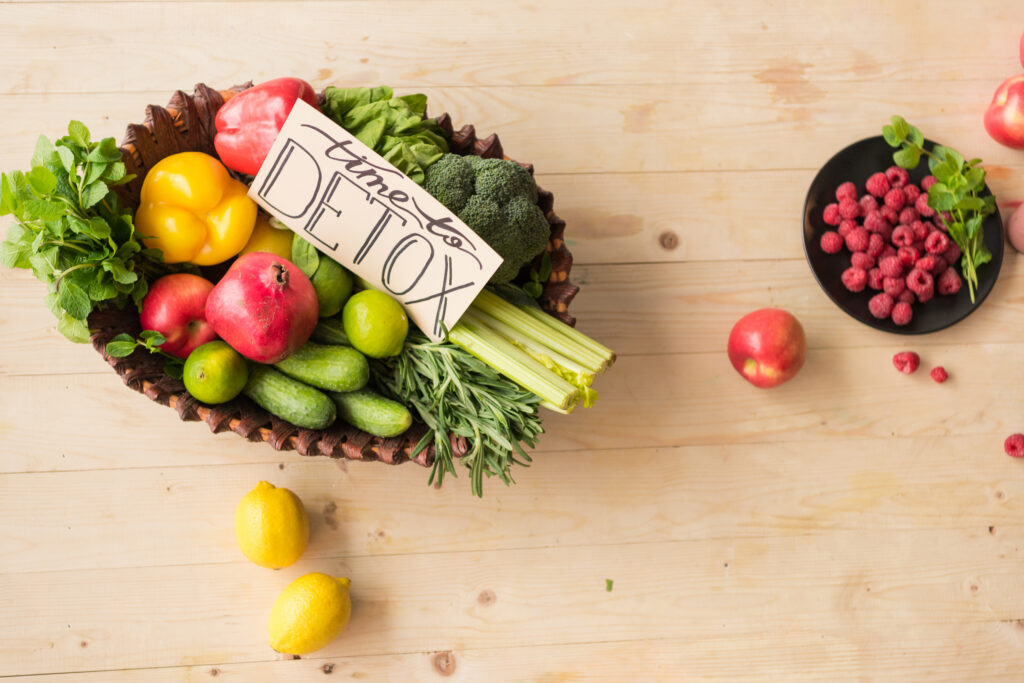
An alcohol detox diet depends on replenishing the vitamins and minerals heavy drinking depletes, stabilizing blood sugar and hydration, and doing all of it under clinical supervision rather than at home. At 7 Summit Pathways in Tampa, Florida, nutrition is one part of a medically supervised alcohol detox program that keeps you safe while your body recalibrates.
Key Takeaways
- Food supports detox but doesn’t replace it: A nutrient-dense diet eases symptoms, but it is not a substitute for medical care during alcohol withdrawal.
- Thiamine is the priority nutrient: Heavy drinking depletes thiamine (vitamin B1), and untreated deficiency can cause serious, lasting brain injury.
- Prioritize whole foods: Fruits, vegetables, lean proteins, whole grains, and healthy fats help repair tissue and restore depleted nutrients.
- Limit sugar, caffeine, and processed foods: These can worsen blood-sugar swings, anxiety, and cravings in early recovery.
- Hydration and electrolytes matter: Fluids with sodium, potassium, and magnesium help correct imbalances common after chronic alcohol use.
- Tampa-based, whole-person care: 7 Summit Pathways pairs medical monitoring with nutrition, therapy, and dual-diagnosis support.
Talk with our Tampa admissions team about safe detox today: (813) 630-4673
Why Alcohol Wrecks Your Nutrition
Chronic drinking interferes with how your body absorbs, stores, and uses nutrients. Alcohol irritates the stomach and intestines, reduces appetite, and crowds out balanced meals with empty calories. The result is often widespread depletion of vitamins and minerals.
It also strains the liver, the organ responsible for processing alcohol and many nutrients. Over time, this combination leaves many people who drink heavily malnourished, even at a normal weight. Understanding what happens when you stop drinking alcohol helps explain why food choices change so much during early recovery.
This is also why nutrition during withdrawal is a clinical matter. Correcting these deficiencies safely takes monitoring, and sometimes supplementation, that a supervised setting provides.
The Nutrients Heavy Drinking Depletes Most
Several specific nutrients tend to run low after prolonged alcohol use. Replacing them through food, and clinically guided supplementation when needed, supports both physical healing and mood stability.
| Nutrient | Why It Runs Low | Food Sources | Role in Recovery |
|---|---|---|---|
| Thiamine (B1) | Poor absorption; high demand | Pork, legumes, brown rice, fortified grains | Protects brain and nerve function |
| Folate (B9) | Reduced intake and absorption | Leafy greens, beans, citrus | Supports cell repair and mood |
| Vitamin B6 | Depleted by alcohol metabolism | Poultry, fish, potatoes, bananas | Aids neurotransmitter balance |
| Magnesium | Lost through urine | Spinach, nuts, seeds, whole grains | Eases muscle cramps and agitation |
| Zinc | Impaired absorption | Shellfish, beef, pumpkin seeds | Supports immune function and healing |
| Vitamin C | Low dietary intake | Citrus, berries, bell peppers | Reduces oxidative stress |
The Thiamine Priority: Why Detox Nutrition Belongs Under Medical Care
The single most important nutrient in alcohol detox is thiamine, or vitamin B1. Heavy alcohol use both lowers thiamine intake and blocks its absorption, and the body stores very little of it. That combination makes deficiency common among people who drink heavily.
Untreated thiamine deficiency can trigger Wernicke-Korsakoff syndrome, a serious brain disorder that causes confusion, coordination problems, and lasting memory loss. According to MedlinePlus, thiamine is used specifically to treat deficiency states linked to heavy drinking. Because the stakes are this high, clinicians often give thiamine before introducing carbohydrate-heavy meals or IV fluids.
That timing detail is the core reason an alcohol detox diet should not be a do-it-yourself project. Reintroducing food and fluids in the wrong order can place stress on a depleted system. A supervised program sequences nutrition, hydration, and supplementation to lower that risk.
This is also why we discourage attempting recovery alone. The risks of withdrawing from alcohol on your own include seizures and other complications that food cannot prevent.
Foods to Prioritize During Alcohol Detox
Once you are in a safe, monitored setting, the right foods help your body rebuild. Focus on nutrient density, steady energy, and gentle digestion, since appetite and nausea are common early on.
| Prioritize | Limit or Avoid |
|---|---|
| Leafy greens, broccoli, squash | Candy, soda, and added sugars |
| Berries, citrus, melon | Caffeine and energy drinks |
| Eggs, fish, poultry, tofu, lentils | Fried and greasy foods |
| Oats, quinoa, brown rice, whole-grain bread | Heavily processed snacks |
| Avocado, nuts, seeds, olive oil | Alcohol and so-called “detox” drinks |
| Water, broth, electrolyte fluids | High-sodium packaged meals |
Easily digested proteins help repair tissue and steady blood sugar. Complex carbohydrates from whole grains provide slow, sustained energy and support serotonin production. Hydrating fruits and vegetables replace fluids and deliver vitamins in a form that is gentle on the stomach.
If solid food is hard to tolerate, blended smoothies with fruit, yogurt, and greens can be easier to keep down. Small, frequent meals often work better than three large ones.
Foods and Drinks to Limit
Some foods can make early recovery harder. Sugar and refined carbohydrates spike and crash blood glucose, which can intensify irritability, fatigue, and cravings.
Many people in early sobriety crave sweets because the brain is seeking quick reward chemicals. Reaching for whole-food carbohydrates instead helps stabilize mood. Our guide to managing alcohol cravings in early recovery covers practical strategies beyond diet alone.
Caffeine deserves attention too. It can worsen anxiety, disrupt sleep, and add to dehydration during a period when rest and fluid balance already matter a great deal.
Hydration and Electrolytes
Alcohol is a diuretic, so chronic drinking often leaves the body dehydrated and low on key electrolytes. Replacing sodium, potassium, and magnesium supports nerve and muscle function and can ease cramping and agitation.
Water is the foundation, but electrolyte-containing fluids and broths help restore balance more completely. In a clinical setting, providers can monitor these levels and correct severe imbalances directly. Knowing the general alcohol detox timeline helps set realistic expectations for how hydration needs shift over the first days and weeks.
How Nutrition Fits Into Treatment in Tampa, Florida
Diet is one piece of recovery, not the whole picture. At 7 Summit Pathways, nutrition support sits alongside medical monitoring, therapy, and planning for ongoing care. Many people who drink heavily also live with anxiety, depression, or trauma, which our dual-diagnosis treatment in Tampa addresses at the same time.
After detox, structured care helps protect early progress. That may mean alcohol addiction treatment, an intensive outpatient program, or continued therapy. Building healthy eating habits during this window becomes a recovery skill that supports the months ahead.
For Florida residents, having this care close to home means family can stay involved and the transition to local support is smoother.
Start Safe Detox in Tampa, FL
You do not have to manage alcohol withdrawal, or figure out the right diet, on your own. Our Tampa clinical team can build a plan that keeps you safe and nourished from day one.
Call 7 Summit Pathways at (813) 630-4673 or start the admissions process to talk with a care coordinator today. Located at 1910 Orient Rd, Tampa, FL 33619.