
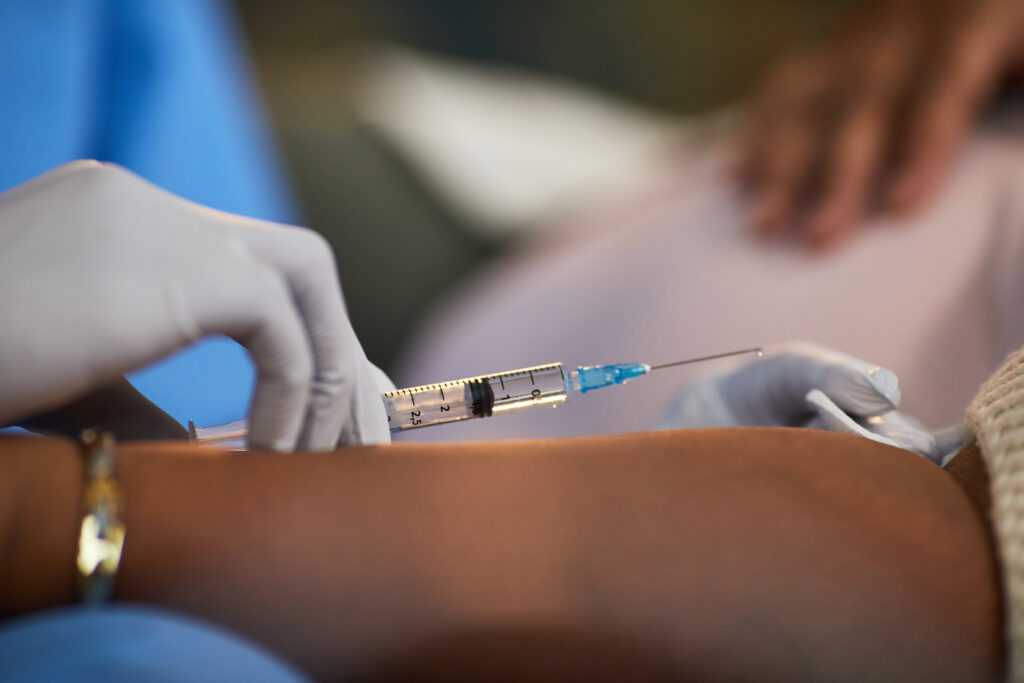
Sublocade withdrawal depends on the drug’s extended-release buprenorphine formulation, the duration of treatment, and individual physiological factors that affect how slowly buprenorphine clears from the body after the last injection. Because Sublocade is a long-acting opioid medication, tapering and lasting recovery are safest inside a dedicated opioid addiction treatment program.
If you or someone you care about is on Sublocade — or considering stopping — understanding what withdrawal looks like, when it starts, and how to manage it safely can make a meaningful difference in outcomes. At medication-assisted treatment in Tampa, Florida, our clinical team supports patients through every phase of medication-assisted treatment, including medically supervised transitions off buprenorphine when the time is right.
Key Takeaways
- Delayed onset: Sublocade withdrawal symptoms typically don’t appear until several weeks after the last injection — not hours or days like short-acting opioids
- Milder than traditional opioid withdrawal: Buprenorphine is a partial agonist with a ceiling effect, so discontinuation symptoms are generally less severe than heroin or oxycodone withdrawal
- Peak at 1–2 months: Symptoms tend to peak approximately one to two months post-injection and can include nausea, insomnia, anxiety, and muscle aches
- PAWS can linger up to 6 months: Post-acute withdrawal symptoms like fatigue, mood disturbances, and sporadic cravings may persist for several months after acute symptoms resolve
- Never stop abruptly without medical guidance: Sudden discontinuation raises relapse risk significantly; a clinician-guided taper or step-down plan is strongly recommended
- Dependence ≠ addiction: Experiencing withdrawal when stopping Sublocade reflects physical dependence — a physiological adaptation — not a return to active addiction
- Step-down care exists: IOP, aftercare, and relapse prevention therapy can support long-term recovery after Sublocade treatment ends
If you’re navigating this process in Tampa, FL, reach out to us today. Call (813) 630-4673 to speak with a care coordinator.
What Is Sublocade and How Does It Work?
Sublocade is an FDA-approved, extended-release injectable form of buprenorphine used to treat moderate to severe opioid use disorder (OUD). It is administered subcutaneously — just under the skin of the abdomen — once per month by a certified healthcare provider. Unlike daily films or tablets, Sublocade forms a slow-release depot at the injection site, delivering buprenorphine steadily into the bloodstream over 43 to 60 days per dose.
Buprenorphine is a partial opioid agonist, meaning it activates opioid receptors in the brain at a limited level. This reduces cravings and withdrawal symptoms without producing the euphoric effects of full opioid agonists like heroin or oxycodone. The ceiling effect of buprenorphine also lowers the risk of misuse and respiratory depression compared to full agonists. For a deeper look at how these medications work, see our guide on how medication-assisted treatment works.
Sublocade is not available at retail pharmacies and must be prescribed and administered in a certified clinical setting. Patients must first stabilize on transmucosal buprenorphine (such as Suboxone) for at least 7 days before transitioning to Sublocade injections. For more context on the differences between these medications, visit our post on Sublocade vs. Suboxone.
Does Sublocade Cause Withdrawal?
Yes — Sublocade can cause withdrawal symptoms when doses are missed or treatment is discontinued, though withdrawal is generally milder than what occurs when stopping short-acting opioids. According to the FDA prescribing information for Sublocade, because of the medication’s long half-life, any withdrawal signs that occur are expected to be significantly delayed compared to other opioids.
The likelihood and severity of withdrawal depends on several factors: how long you’ve been on Sublocade, your dosage (100 mg or 300 mg monthly), your history of opioid use, and your overall physical health. Patients who have been on long-term Sublocade treatment at higher doses are more likely to experience noticeable withdrawal symptoms upon stopping.
It’s important to understand that experiencing withdrawal does not mean treatment has failed. It is a predictable physiological response — and one that can be managed effectively with clinical support. See our resource on the difference between addiction and dependence for more on this distinction.
Sublocade Withdrawal Symptoms
Symptoms of Sublocade withdrawal are similar to general opioid withdrawal but tend to be less intense due to buprenorphine’s partial agonist properties. According to the National Alliance on Mental Illness (NAMI), withdrawal symptoms from buprenorphine may include:
- Shaking or tremors
- Excessive sweating
- Runny nose and watery eyes
- Goosebumps and temperature dysregulation (feeling too hot or too cold)
- Nausea and vomiting
- Diarrhea and stomach cramps
- Muscle and joint aches
- Restlessness and irritability
- Anxiety
- Insomnia and sleep disturbances
- Fatigue
- Cravings for opioids
Not everyone experiences all of these. Shorter-term Sublocade patients often report little to no withdrawal at all, while those with longer treatment histories or who stop abruptly are more likely to notice significant symptoms.
Sublocade Withdrawal Symptom Comparison Table
| Symptom | Sublocade Withdrawal | Heroin/Short-Acting Opioid Withdrawal |
|---|---|---|
| Onset after last dose | Weeks to months | 6–24 hours |
| Peak intensity | 1–2 months post-injection | 36–72 hours |
| Duration (acute phase) | 2–4 weeks | 5–10 days |
| Severity | Mild to moderate | Moderate to severe |
| Cravings | Present, manageable | Intense |
| Insomnia | Common | Common |
| GI symptoms (nausea, diarrhea) | Possible, less intense | Frequent and intense |
| PAWS duration | Up to 6 months | Up to 2+ years (for heroin) |
Sublocade Withdrawal Timeline
The timeline for Sublocade withdrawal is significantly extended compared to short-acting opioids — and that’s because the drug itself stays active in the body for so long. Understanding this timeline helps set realistic expectations and reduces the risk of being caught off guard.
Weeks 1–4 After Last Injection: Little to No Symptoms
Sublocade continues releasing buprenorphine for 43 to 60 days after each injection. Most patients feel minimal or no change during the first several weeks. Some may experience mild general discomfort or subtle increases in anxiety as buprenorphine levels begin to slowly decline.
Weeks 4–8: Early Withdrawal Symptoms May Emerge
As buprenorphine plasma concentrations drop further, early withdrawal signs may appear. These often include anxiety, restlessness, low-grade cravings, disrupted sleep, and mild physical discomfort. This is the phase where close clinical monitoring is most important, especially for patients who have recently stopped injections.
Months 1–2: Peak Withdrawal Phase
Symptoms typically reach their highest intensity one to two months after the last Sublocade injection. This peak phase may include nausea, vomiting, muscle aches, night sweats, and significant sleep disruption. This is also when relapse risk is elevated, making structured support — such as intensive outpatient programming — especially valuable.
Months 2–6: Resolution and Post-Acute Withdrawal (PAWS)
Acute symptoms gradually resolve. However, many patients enter a post-acute withdrawal syndrome (PAWS) phase, characterized by lingering fatigue, mood instability, difficulty concentrating, and sporadic cravings. PAWS can last up to six months after stopping long-acting opioid medications. Ongoing engagement with aftercare programming and relapse prevention therapy significantly reduces the risk of relapse during this window.
Sublocade Withdrawal Timeline Reference
| Phase | Timing | Common Symptoms | Risk Level |
|---|---|---|---|
| Silent Phase | Weeks 1–4 | Minimal or none | Low |
| Early Withdrawal | Weeks 4–8 | Anxiety, restlessness, mild cravings, insomnia | Low–Moderate |
| Peak Withdrawal | Months 1–2 | Nausea, muscle aches, sweating, severe insomnia | Moderate–High |
| PAWS / Resolution | Months 2–6 | Fatigue, mood swings, intermittent cravings | Moderate (relapse risk) |
| Full Resolution | 6+ months | Symptoms fully resolved for most patients | Low with continued support |
Physical Dependence vs. Addiction: What the Difference Means for You
One of the most common — and most damaging — misconceptions about Sublocade withdrawal is equating physical dependence with addiction. These are not the same thing, and understanding the distinction can reduce shame and help patients make better decisions about their care.
Physical dependence is the body’s neurological adaptation to a substance taken consistently over time. When that substance is reduced or removed, the body recalibrates — producing withdrawal symptoms. This happens with many medications that have no addiction potential, including certain blood pressure drugs and corticosteroids. According to SAMHSA’s Treatment Improvement Protocol 63, physical dependence is a predictable, manageable outcome of opioid use disorder treatment — not evidence of treatment failure.
Addiction, by contrast, involves compulsive drug-seeking behavior despite harmful consequences, driven by changes in brain circuitry that affect reward, impulse control, and motivation. Someone who is physically dependent on Sublocade and experiences discomfort when stopping is not “addicted to their medication” — they are experiencing a known physiological process. The goal of MAT is to treat opioid use disorder, not to create a new addiction. See our guide to what addiction and dependence mean for more on this distinction.
Patients who internalize this distinction are better positioned to stay in treatment longer, advocate for appropriate step-down care, and avoid the stigma that can derail recovery.
What If You Miss a Sublocade Dose?
Missing a scheduled Sublocade injection is different from missing a daily buprenorphine film or tablet. Because of the medication’s extended-release formulation, the FDA’s prescribing information notes that occasional delays of up to two weeks beyond the scheduled injection date are not expected to produce a clinically significant reduction in treatment effect.
If you miss a dose, contact your prescribing provider as soon as possible. The next injection should be given promptly, with the following dose administered at least 26 days after that. Do not attempt to self-manage or abruptly stop treatment without medical guidance. Early medical detox support may be appropriate if significant withdrawal symptoms emerge before the next injection can be scheduled.
How to Stop Sublocade Safely: Tapering and Clinical Step-Down
Stopping Sublocade should never be a unilateral decision. Working with your treatment provider to develop a structured plan is the safest way to discontinue, minimize withdrawal, and protect long-term recovery. Common clinical approaches include:
Gradual dose reduction: Your provider may reduce the Sublocade dose from 300 mg to 100 mg monthly before stopping entirely, allowing the body to adjust incrementally. Refer to our Suboxone taper guide for broader context on buprenorphine tapering strategies.
Transitioning to oral buprenorphine: Some patients transition from Sublocade back to a daily sublingual buprenorphine product, which allows finer dose adjustments and a more controlled taper. This preserves MAT coverage during the transition period.
Close clinical monitoring: Providers should monitor patients for several months after the last injection to track withdrawal emergence and relapse risk. Your dual diagnosis status and any co-occurring mental health conditions will be key factors in how your provider structures this.
Symptom management medications: Adjunct medications such as clonidine (for blood pressure and anxiety), ondansetron (for nausea), and sleep aids may be prescribed to manage acute withdrawal symptoms during the transition.
PAWS: The Long Phase Nobody Talks About
Post-acute withdrawal syndrome (PAWS) is a cluster of prolonged neurological symptoms that occur after acute withdrawal resolves. Research suggests that minor physical symptoms — including fatigue, anxiety, and sleep disturbances — can persist for up to six months after discontinuing long-acting opioid medications like Sublocade.
PAWS is not a sign that something is wrong with your recovery. It is the brain’s extended process of restoring neurochemical balance after a sustained period of buprenorphine stabilization. The key is recognizing it for what it is and having support structures in place. This is why continuing care matters even after MAT ends. Cognitive behavioral therapy helps patients identify and reframe the thought patterns that PAWS can amplify. Group therapy provides community and accountability during this vulnerable phase.
Understanding the stages of addiction recovery helps patients see PAWS as a normal chapter in a longer story — not a reason to give up.
What Comes After Sublocade: Building a Recovery Continuum
Stopping Sublocade is not the end of treatment — it’s a transition point. The months following your last injection are among the most important in your recovery journey. Having a plan for what comes next dramatically reduces the risk of relapse.
At 7 Summit Pathways in Tampa, we offer a full continuum of care that can support patients before, during, and after Sublocade treatment. Depending on where you are in the process, this may include:
- Partial Hospitalization Program (PHP): For patients who need intensive daily clinical support during or after MAT transitions. Learn more about our PHP in Tampa.
- Intensive Outpatient Program (IOP): Structured group and individual therapy several days per week, ideal for patients navigating PAWS while maintaining work or family responsibilities. Explore our IOP program.
- Outpatient Treatment: For patients who have stabilized and need continued clinical oversight. See our outpatient options.
- Aftercare and Relapse Prevention: Ongoing therapy and support planning to protect long-term sobriety. View our aftercare programming.
Many patients also benefit from our mental health treatment services during the post-Sublocade phase, particularly if mood disturbances or anxiety become prominent during PAWS.
Frequently Asked Questions About Sublocade Withdrawal
Is Sublocade withdrawal dangerous? Sublocade withdrawal is rarely medically dangerous in healthy adults, but it significantly increases the risk of relapse back to illicit opioids — which carries a very high overdose risk. Tolerance drops during any abstinence from opioids, meaning a dose that was manageable before treatment could now be fatal. Always work with a provider before stopping.
How long does it take for Sublocade to leave your system? Sublocade remains active in the body for approximately 43 to 60 days per injection. At steady state, buprenorphine plasma concentrations decrease slowly over months following the last injection, according to the FDA prescribing information.
Can you just stop Sublocade cold turkey? Stopping abruptly is not recommended. While Sublocade’s extended-release nature cushions the transition, abrupt discontinuation increases withdrawal severity and relapse risk. A clinician-supervised taper or step-down plan is strongly preferred.
Will I experience withdrawal if I miss one Sublocade dose? Missing a single dose by up to two weeks is unlikely to cause significant withdrawal symptoms, per FDA guidance. However, contact your provider immediately so the next injection can be scheduled promptly.
Can I get Sublocade treatment in Tampa, FL? Yes. 7 Summit Pathways in Tampa offers medication-assisted treatment as part of a comprehensive opioid use disorder program. Verify your insurance coverage or call us to learn about admission options.
How to Stay Sober After Sublocade: Protecting Long-Term Recovery
The work doesn’t end when Sublocade injections stop. Research consistently shows that longer engagement in treatment — including counseling, peer support, and structured programming — produces better long-term outcomes for opioid use disorder. Our blog on how to stay sober after rehab offers practical guidance for this phase.
Building a sober support system, engaging in relapse prevention therapy, and staying alert to the warning signs of relapse are all critical elements of this phase. Stopping MAT is a milestone, not a finish line.
Ready to Talk About Your Next Step? We’re Here in Tampa, FL.
Whether you’re currently on Sublocade and considering what’s next, or you’re experiencing symptoms after a missed dose, you don’t have to figure this out alone. 7 Summit Pathways is a trusted addiction treatment center in Tampa, Florida, offering compassionate, medically supervised care for opioid use disorder at every level.
Our team can help you understand your options, develop a safe tapering plan, and connect you to the continuing care that protects your recovery long-term.
📞 Call (813) 630-4673 to speak with a care coordinator today. 📍 Visit us at 1910 Orient Rd, Tampa, FL 33619.
Check your insurance coverage or contact our admissions team to get started.
Clinical references: SAMHSA TIP 63 — Medications for Opioid Use Disorder | FDA Sublocade Prescribing Information | NAMI: Buprenorphine (Sublocade)