
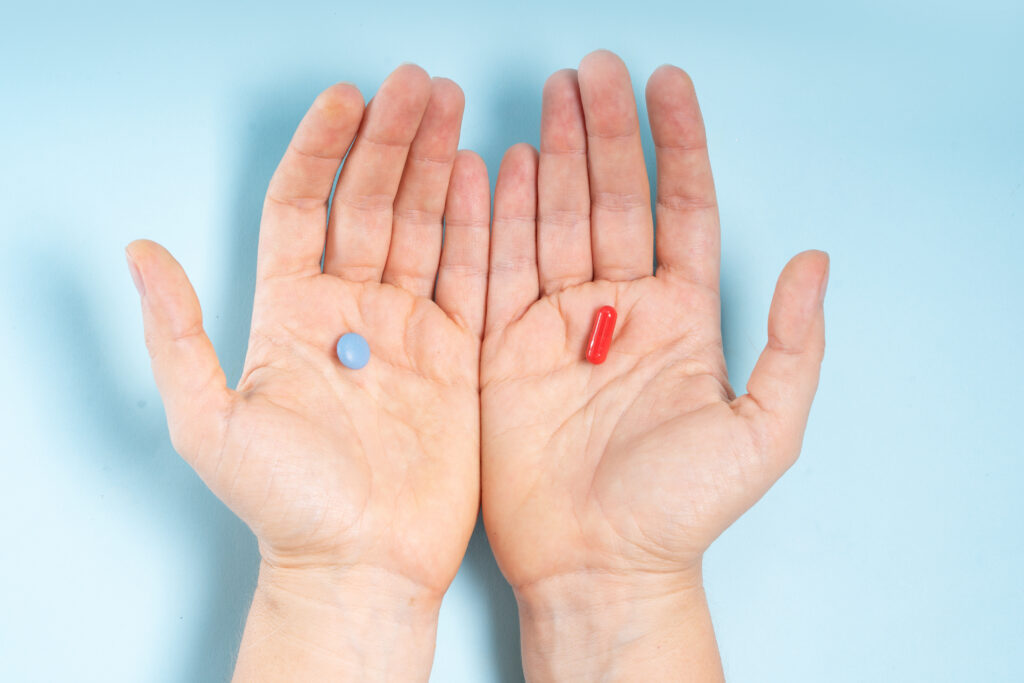
When you or a loved one is navigating recovery from opioid use disorder in Tampa, Florida, understanding your medication-assisted treatment options can feel overwhelming. Two of the most effective medications for opioid addiction treatment are Sublocade and Suboxone—both containing the same active ingredient, buprenorphine, but delivered in very different ways.
At 7 Summit Pathways in Tampa, we help individuals throughout Florida understand which medication-assisted treatment option best fits their recovery journey. Whether you’re starting treatment for the first time or considering a change in your current medication plan, this comprehensive guide will help you understand the key differences between Sublocade and Suboxone.
If you have questions about medication-assisted treatment or want to speak with our clinical team, call 7 Summit Pathways at (813) 212-8129 today.
What Is Medication-Assisted Treatment (MAT)?
Medication-assisted treatment (MAT) combines FDA-approved medications with counseling and behavioral therapies to treat substance use disorders. According to the National Institute on Drug Abuse (NIDA), MAT has been proven to increase patient retention in treatment programs, reduce the risk of relapse, decrease illicit opioid use, and improve overall recovery outcomes.
Both Sublocade and Suboxone are buprenorphine-based medications used as part of comprehensive MAT programs for moderate to severe opioid use disorder. When combined with therapy, counseling, and support services available at facilities like 7 Summit Pathways in Tampa, these medications can be life-saving components of long-term recovery.
Understanding Buprenorphine: The Active Ingredient
Before comparing Sublocade and Suboxone, it’s important to understand buprenorphine—the medication that makes both treatments effective. According to NIDA, buprenorphine is a partial opioid agonist, meaning it binds to the same opioid receptors in the brain as drugs like heroin and fentanyl, but activates them to a lesser degree.
This unique characteristic gives buprenorphine several important benefits:
- Reduces cravings without producing the intense euphoria of full opioid agonists
- Prevents withdrawal symptoms that often derail early recovery efforts
- Has a “ceiling effect” that limits misuse potential and reduces overdose risk
- Blocks other opioids from fully activating receptors, deterring continued drug use
The Substance Abuse and Mental Health Services Administration (SAMHSA) recognizes buprenorphine as one of three FDA-approved medications for opioid use disorder treatment, alongside methadone and naltrexone.
What Is Suboxone?
Suboxone is the brand name for a combination medication containing buprenorphine and naloxone. Approved by the FDA in 2002, Suboxone has become one of the most widely prescribed medications for opioid addiction treatment in the United States.
How Suboxone Works
Suboxone comes in two forms:
- Sublingual tablets that dissolve under the tongue
- Sublingual films that dissolve inside the cheek or under the tongue
The buprenorphine component provides therapeutic benefits by reducing cravings and withdrawal symptoms. The naloxone component serves as a deterrent to misuse—if someone crushes and injects Suboxone instead of taking it as prescribed, the naloxone will precipitate uncomfortable withdrawal symptoms.
Suboxone Dosing and Administration
Patients typically take Suboxone once daily at home. Common starting doses range from 8mg to 16mg of buprenorphine per day, with some patients requiring up to 24mg daily for optimal symptom control. The medication must be taken consistently every day to maintain therapeutic levels and prevent withdrawal symptoms.
Benefits of Suboxone
- Can be prescribed in outpatient treatment settings by qualified healthcare providers
- Flexible dosing allows for individualized treatment
- Can be taken at home, providing convenience and privacy
- Well-established track record with extensive clinical research
- Cost-effective, with generic versions available
- Can be adjusted quickly if dose changes are needed
Challenges with Suboxone
- Requires daily administration, which can be difficult for some patients
- Risk of diversion (sharing or selling medication)
- Potential for inconsistent use or missed doses
- Some patients find the sublingual administration uncomfortable
- Daily ritual may serve as a constant reminder of addiction
- Requires secure storage to prevent accidental ingestion by children
What Is Sublocade?
Sublocade is an extended-release injectable formulation of buprenorphine approved by the FDA in November 2017. Unlike Suboxone’s daily oral administration, Sublocade provides sustained medication delivery through a once-monthly injection.
How Sublocade Works
Sublocade is administered as a subcutaneous injection (under the skin) by a healthcare provider at a treatment facility like 7 Summit Pathways in Tampa. The injection sites can include the abdomen, thigh, buttock, or back of the upper arm.
According to the FDA prescribing information, when injected, the Sublocade solution forms a solid depot that gradually releases buprenorphine over approximately one month. This provides consistent therapeutic blood levels without the daily peaks and valleys associated with oral medications.
Sublocade Dosing Schedule
The typical Sublocade protocol includes:
- Month 1: 300mg injection (after confirming tolerability with oral buprenorphine)
- Month 2: 300mg injection (given 1 week to 1 month after first injection)
- Month 3 and beyond: 100mg monthly maintenance dose (some patients may require 300mg)
Patients must already be stable on 8-24mg daily of oral buprenorphine (like Suboxone) for at least 7 days before receiving their first Sublocade injection.
Benefits of Sublocade
- Once-monthly administration eliminates the burden of daily dosing
- Consistent medication levels throughout the month with no daily fluctuations
- Reduces risk of diversion since medication is administered by healthcare providers
- Eliminates missed doses that can lead to relapse
- Removes the daily reminder of taking addiction medication
- Provides structure through regular monthly clinic visits
- Clinical studies show 28% of patients achieved treatment success versus 2% on placebo
Challenges with Sublocade
- Requires monthly visits to a certified healthcare facility
- Not available at retail pharmacies—only through specialized programs
- Less flexibility in dose adjustment compared to daily medications
- Injection site reactions (pain, redness, swelling) are common
- Buprenorphine remains detectable in the body for months after stopping
- Higher upfront cost (though often covered by insurance)
- Requires stable housing and reliable transportation for monthly appointments
Sublocade vs Suboxone: Direct Comparison
| Factor | Suboxone | Sublocade |
|---|---|---|
| Administration | Daily sublingual tablet or film taken at home | Monthly injection given by healthcare provider |
| Dosing Flexibility | Can be adjusted daily if needed | Adjusted monthly; less flexible |
| Diversion Risk | Higher—patient has access to full supply | Lower—administered by provider |
| Consistency | Daily peaks and valleys in blood levels | Steady therapeutic levels all month |
| Convenience | Take-home doses; no clinic visits required | Monthly clinic visit required |
| Treatment Compliance | Patient must remember daily dose | Guaranteed monthly dose eliminates missed days |
| Cost | Generally less expensive; generics available | Higher cost but often covered by insurance |
| Privacy | Can be taken discreetly at home | Requires visits to treatment facility |
| Initiation | Can be first buprenorphine medication | Requires 7+ days on oral buprenorphine first |
| Side Effects | Constipation, nausea, headache, insomnia | Similar, plus injection site reactions |
Which Medication Is Right for You?
Choosing between Sublocade and Suboxone depends on multiple factors unique to your situation. During your comprehensive assessment at 7 Summit Pathways in Tampa, our clinical team will help you make an informed decision based on:
Suboxone May Be Better If You:
- Prefer the flexibility of taking medication at home
- Have a stable living environment and routine
- Want the ability to adjust doses more quickly
- Are new to buprenorphine treatment
- Have concerns about injection site reactions
- Need more privacy in your treatment
- Have reliable medication storage and security
- Are comfortable with daily medication routines
Sublocade May Be Better If You:
- Struggle with daily medication adherence
- Want to eliminate the daily reminder of taking addiction medication
- Are established on oral buprenorphine (8-24mg daily for at least 7 days)
- Prefer consistent medication levels without daily fluctuations
- Have concerns about medication diversion or security
- Can commit to monthly clinic appointments
- Value the structure of regular provider check-ins
- Want to focus on recovery without daily medication management
Starting Treatment at 7 Summit Pathways in Tampa
Whether you choose Suboxone or Sublocade, 7 Summit Pathways provides comprehensive medication-assisted treatment as part of our evidence-based addiction treatment programs in Tampa, Florida.
Our MAT Program Includes:
- Medical evaluation and assessment to determine the most appropriate medication
- Medication-assisted treatment with Suboxone, Sublocade, or other FDA-approved medications
- Individual therapy to address underlying issues contributing to addiction
- Group therapy for peer support and shared learning
- Dual diagnosis treatment for co-occurring mental health conditions
- Family therapy to rebuild relationships and create support systems
- Continuing care planning to maintain long-term recovery success
Our Tampa facility offers multiple levels of care to meet you where you are in your recovery journey:
- Detoxification services to safely manage withdrawal symptoms
- Residential treatment for immersive recovery support
- Partial Hospitalization Program (PHP) for intensive daily treatment
- Intensive Outpatient Program (IOP) for flexible treatment while maintaining daily responsibilities
- Outpatient treatment for ongoing support and relapse prevention
What Does the Research Say?
Scientific evidence strongly supports the use of both Suboxone and Sublocade for opioid use disorder treatment.
A clinical study published by SAMHSA found that buprenorphine-based medications significantly reduce illicit opioid use and improve treatment retention. The Canadian Agency for Drugs and Technologies in Health conducted a network meta-analysis showing that Sublocade was associated with significantly decreased likelihood of opioid-positive drug tests compared to placebo and even compared to oral buprenorphine.
According to NIDA, medication-assisted treatment with buprenorphine reduces mortality, decreases HIV and hepatitis C transmission, and increases long-term recovery success when combined with counseling and behavioral therapies.
The evidence is clear: both Suboxone and Sublocade are effective, evidence-based treatments that can transform lives when integrated into comprehensive addiction treatment programs.
Common Questions About Sublocade and Suboxone
Can I switch from Suboxone to Sublocade?
Yes. In fact, patients must be stable on oral buprenorphine (like Suboxone) for at least 7 days before starting Sublocade. The transition process is straightforward, and our clinical team at 7 Summit Pathways will guide you through every step.
How long will I need to take medication-assisted treatment?
Treatment duration varies for each individual. Some patients benefit from several months of MAT, while others continue for years or even indefinitely. According to SAMHSA, there is no maximum recommended duration for maintenance treatment. The decision to taper or discontinue medication should be made collaboratively with your treatment team based on your clinical progress and stability.
Will I get “high” from Suboxone or Sublocade?
When taken as prescribed at therapeutic doses, neither medication produces euphoria in individuals with opioid dependence. The ceiling effect of buprenorphine means that increasing the dose beyond a certain point does not produce additional opioid effects. Both medications help you feel “normal” rather than intoxicated.
What about withdrawal when stopping treatment?
Both medications require gradual tapering rather than abrupt discontinuation. With Suboxone, your dose can be reduced incrementally over weeks or months. With Sublocade, the extended-release formulation means buprenorphine continues releasing for several months after your last injection, potentially reducing withdrawal symptoms. Your treatment team will develop a personalized tapering plan when you’re ready to discontinue medication.
Does insurance cover Sublocade and Suboxone?
Most insurance plans cover both medications, though coverage varies. Suboxone is generally less expensive and widely covered, while Sublocade may require prior authorization. The team at 7 Summit Pathways can verify your insurance benefits and discuss coverage options during your initial consultation.
Can I take pain medication if I’m on Suboxone or Sublocade?
Managing acute pain while on buprenorphine-based medications requires careful coordination with your healthcare providers. Because buprenorphine occupies opioid receptors, standard opioid pain medications may be less effective. However, pain can be managed through alternative approaches or higher doses of opioid medications under close medical supervision. Always inform all your healthcare providers that you’re receiving medication-assisted treatment.
Moving Beyond Medication: The Importance of Comprehensive Treatment
While both Sublocade and Suboxone are powerful tools in addiction recovery, medication alone is not sufficient for lasting change. According to SAMHSA, the most effective treatment approach combines medication with counseling, behavioral therapies, and social support.
At 7 Summit Pathways in Tampa, our comprehensive treatment approach addresses all aspects of recovery:
Addressing underlying issues: Through individual therapy, we help you understand and heal the emotional pain, trauma, or mental health conditions that may have contributed to substance use.
Building coping skills: Our cognitive behavioral therapy and other evidence-based therapies teach practical skills for managing cravings, stress, and triggers.
Healing relationships: Family therapy helps repair damaged relationships and build a strong support network.
Preventing relapse: Our relapse prevention therapy equips you with strategies to maintain long-term sobriety.
Treating co-occurring disorders: If you’re struggling with mental health conditions alongside addiction, our dual diagnosis program provides integrated treatment.
Holistic healing: We offer holistic therapy options including mindfulness, nutrition counseling, and wellness activities to support whole-person recovery.
Taking the First Step Toward Recovery in Tampa
Choosing between Sublocade and Suboxone is just one decision in your recovery journey. What matters most is taking that first step toward getting help. At 7 Summit Pathways in Tampa, Florida, we’re here to walk alongside you every step of the way.
Our experienced clinical team understands that opioid addiction is a complex medical condition—not a moral failing. We provide compassionate, evidence-based treatment in a supportive environment where you can focus on healing and building a life worth living in recovery.
Whether you’re just beginning to consider treatment or you’re ready to start today, we’re here to help you explore your options and find the path that’s right for you.
Contact 7 Summit Pathways Today
If you or someone you love is struggling with opioid use disorder in Tampa or anywhere in Florida, reach out to our team:
📞 Call us at (813) 212-8129
📍 Visit us at 1910 Orient Rd, Tampa, FL 33619
Our admissions specialists are available to answer your questions, verify your insurance benefits, and help you understand your treatment options. Don’t wait another day to start your recovery journey—call 7 Summit Pathways now.
Recovery is possible. Medication-assisted treatment works. And we’re here to support you every step of the way.