
If you’ve heard about kratom or recently learned about 7-OH products in Florida, you’re likely wondering what the difference is and why there’s so much concern. At 7 Summit Pathways in Tampa, Florida, we’ve seen firsthand how these substances can lead to unexpected addiction and serious health consequences.
In August 2025, Florida became the first state to ban concentrated 7-hydroxymitragynine (7-OH) by classifying it as a Schedule I controlled substance—putting it in the same legal category as heroin and fentanyl. But this ban specifically targets concentrated 7-OH products, not traditional kratom leaf itself.
Whether you’re concerned about yourself, a loved one, or simply want to understand what these substances are, this guide will help you understand the critical differences between 7-OH and kratom, the risks each poses, and what treatment options are available right here in Tampa.
What Is Kratom?
Kratom (Mitragyna speciosa) is a tropical tree native to Southeast Asia that has been used for hundreds of years to increase energy, for relaxation, and to diminish opioid withdrawal. The leaves contain active compounds called alkaloids that interact with receptors in the brain.
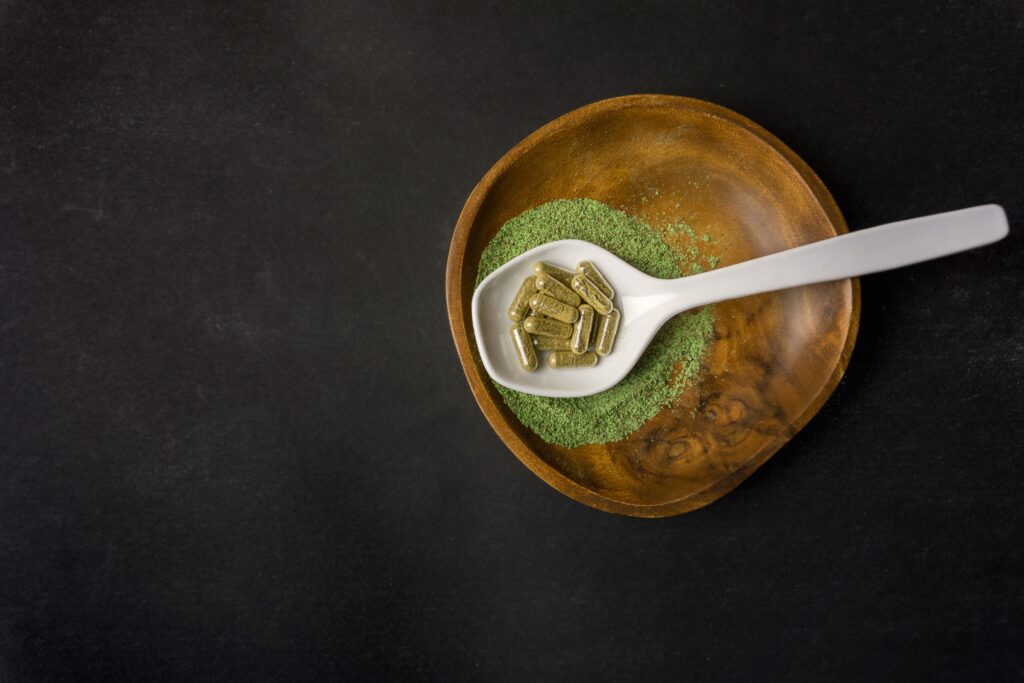
At low doses, kratom acts as a psychostimulant, while at high doses it produces sedative, relaxing, and analgesic effects similar to opioids. People traditionally consume kratom by brewing the leaves into tea, chewing them, or using powdered leaf capsules.
The Active Compounds in Kratom
The main alkaloid in kratom is mitragynine, which constitutes about 66 percent of the total alkaloid content. Another alkaloid called 7-hydroxymitragynine (7-OH) comprises only about 2 percent of natural kratom.
Both compounds interact with opioid receptors in the brain, but there’s a crucial difference in their potency and effects.
What Is 7-OH (7-Hydroxymitragynine)?
7-Hydroxymitragynine is a terpenoid indole alkaloid present in the kratom plant that exhibits greater binding affinity to mu-opioid receptors than mitragynine. While it occurs naturally in tiny amounts in kratom leaves, extracting 7-OH in high concentrations directly from natural kratom leaves is not practical, so it is produced semisynthetically via the oxidation of mitragynine.
The Potency Problem
7-Hydroxymitragynine has a tenfold higher potency at the mu-opioid receptor than mitragynine. Research shows even more dramatic differences:
- In laboratory testing, 7-OH had a 13-fold and 46-fold higher potency than morphine and mitragynine respectively
- Concentrated 7-OH preparations are 30-40 times more potent at opioid receptors than traditional kratom and produce rapid-onset analgesia, euphoria, respiratory depression, and classic opioid-type withdrawal
- 7-OH is about five to 50-fold more potent on the brain than mitragynine as an opioid receptor agonist
The Critical Differences: 7-OH vs Kratom
Understanding the distinction between natural kratom and concentrated 7-OH products is essential for recognizing the risks:
Natural Composition vs. Synthetic Concentration
Traditional Kratom:
- Natural kratom powder contains about 1% mitragynine and at most 0.1% 7-OH
- Natural kratom often has less than 2% 7-OH by total alkaloid amount
- Consumed as tea, powder, or capsules with self-limiting factors (bitter taste, bulk volume)
Concentrated 7-OH Products:
- Man-made or partly man-made products sold as gummies, tablets, drink shots, or cones may have up to 98% 7-OH, making them much stronger and riskier
- According to commercial kratom product analysis, 7-hydroxymitragynine potency exceeded that found in naturally occurring material by up to 500%
- Sold in appealing forms like flavored gummies, vapes, shots, and candy-like products
Addiction and Dependence Risk
Traditional Kratom:
- Within the context of whole kratom leaves and extracts, 7-hydroxymitragynine appears to have milder withdrawal symptoms and a lower risk of developing addiction than opioids
- Initial research findings indicate that mitragynine and 7-hydroxymitragynine in natural ratios are not rewarding in laboratory procedures designed to test abuse potential
Concentrated 7-OH Products:
- 7-OH is the version of kratom substances that people can get addicted to
- Due to its strong opioid-like action, 7-hydroxymitragynine can cause significant physical and psychological dependence
- Tolerance builds in days, and withdrawals are worse than opiates according to individuals who have experienced both
Effects and Health Risks
Traditional Kratom:
- Stimulant effects at low doses, sedative effects at higher doses
- Pain relief and mood enhancement
- Potential for mild to moderate physical dependence with regular use
- Lower risk of respiratory depression at typical doses
Concentrated 7-OH Products:
- Concentrated 7-OH produces rapid-onset analgesia, euphoria, respiratory depression, and classic opioid-type withdrawal
- Respiratory depression in higher doses—a dangerous effect shared with traditional opioids
- The number of cases relating to kratom-based products such as 7-OH increased from under 200 in 2014 to 1600 in 2024, with approximately 40% of 7-OH reports coming from individuals who were abusing the drug
Why Did Florida Ban 7-OH?
Florida Attorney General James Uthmeier issued an emergency rule in August 2025 classifying concentrated 7-OH as a Schedule I controlled substance due to its high potential for abuse and lack of accepted medical use. Several factors drove this decision:
- Marketing to Youth: The FDA expressed particular concern with the growing market of 7-OH products that may be especially appealing to children and teenagers, such as fruit-flavored gummies and ice cream cones
- Wide Availability: Consumers can easily purchase products with concentrated levels of 7-OH online and in gas stations, corner stores, and vape shops
- Rising Health Incidents: There has been a recent increase in emergency room visits and adverse health incidents linked to kratom, especially among people under 25 years of age
- Rapid Enforcement Results: Just one month after Florida classified concentrated forms of 7-OH as Schedule I, nearly 18,000 dangerous 7-OH products were pulled from store shelves
What Remains Legal in Florida
The FDA and Florida officials emphasized that the enforcement action is not focused on natural kratom leaf products. Traditional kratom tea, powder, and natural leaf products remain legal in Florida for adults over 21. The proposed rule considers 7-OH concentrated above 1% as Schedule I.
The Real-World Impact: Stories from Florida Treatment Centers
Treatment centers in Florida have witnessed firsthand how concentrated 7-OH products lead to rapid addiction. One individual described starting with half a 15mg pill and experiencing effects so powerful they had to pull over while driving. Within a month, consumption escalated to five 30mg tablets per day, with withdrawal symptoms including restless legs, insomnia, and crushing depression.
Another person recovering from opioid use disorder turned to 7-OH believing it was safer, only to find themselves spending nearly all their income on the substance within weeks. They described 7-OH as at least ten times stronger than traditional kratom, with the worst withdrawals they had ever experienced, including feeling like their body was on fire, cold sweats, chills, and crippling anxiety.
These aren’t isolated cases. At 7 Summit Pathways in Tampa, we’ve seen similar patterns among Florida residents seeking help for unexpected 7-OH dependence.
Recognizing 7-OH or Kratom Dependence
If you or someone you love is using kratom or 7-OH products, watch for these warning signs of dependence:
Physical Symptoms:
- Increasing tolerance—needing more to achieve the same effects
- Withdrawal symptoms when stopping (muscle aches, sweating, nausea, diarrhea)
- Using larger amounts or for longer periods than intended
- Difficulty controlling or cutting down use
Psychological and Behavioral Signs:
- Strong cravings for the substance
- Continuing use despite negative consequences
- Spending significant money or time obtaining and using the product
- Neglecting responsibilities or relationships
- Isolation and mood changes when not using
Specific 7-OH Red Flags:
- Rapid escalation of use within days or weeks
- Purchasing multiple products daily from gas stations or smoke shops
- Using specifically to avoid withdrawal symptoms
- Physical changes that friends and family notice, with some describing users looking “like zombies”
If you’re experiencing these symptoms, you’re not alone, and help is available right here in Tampa.
Kratom and 7-OH Withdrawal: What to Expect
Withdrawal from kratom, particularly due to its opioid compounds like 7-hydroxymitragynine, can mirror classic opioid withdrawal. The severity and duration depend on several factors, including whether you were using traditional kratom or concentrated 7-OH products.
Traditional Kratom Withdrawal Timeline:
- Days 1-3: Peak symptoms including anxiety, irritability, muscle aches, insomnia
- Days 4-7: Gradual reduction in physical symptoms
- Weeks 2-3: Mood stabilization, though some fatigue and cravings may persist
Concentrated 7-OH Withdrawal Timeline:
While withdrawal from traditional kratom may last a few days, Kratom 7-OH withdrawal can last significantly longer and be far more intense:
- Acute Phase (1-7 days): Most severe physical symptoms including muscle pain, nausea, insomnia, anxiety, sweating, diarrhea
- Sub-Acute Phase (1-3 weeks): Persistent symptoms like fatigue, mood swings, poor concentration, irritability
- Post-Acute Withdrawal Syndrome (weeks to months): In some individuals, emotional instability, brain fog, and cravings can persist for weeks or even months
Because of the intensity and duration of 7-OH withdrawal, medical supervision is strongly recommended.
Treatment Options for Kratom and 7-OH Addiction in Tampa
At 7 Summit Pathways in Tampa, Florida, we understand that kratom and 7-OH dependence requires specialized treatment approaches. We offer comprehensive care that addresses both the physical and psychological aspects of addiction.
Medical Detox Services
Our detox program provides:
- 24/7 medical supervision and monitoring
- Medication management to ease withdrawal symptoms
- Symptom relief for anxiety, insomnia, nausea, and pain
- Safe, comfortable environment during the most challenging phase
- Non-addictive medications such as Naltrexone or Vivitrol therapy to reduce cravings and support long-term success
Inpatient Treatment Programs
Following detox, our inpatient treatment offers:
- Structured therapeutic environment
- Individual and group therapy
- Treatment for co-occurring mental health conditions
- Holistic therapies including mindfulness and wellness activities
- Development of coping skills and relapse prevention strategies
Outpatient Programs
For those transitioning from residential care or who need flexible treatment options:
Partial Hospitalization Program (PHP)
- Intensive daily treatment (6-8 hours)
- Return home each evening
- Comprehensive therapy and medical oversight
Intensive Outpatient Program (IOP)
- Structured treatment several days per week
- Flexibility to maintain work or family responsibilities
- Continued therapeutic support during recovery
Why Medical Supervision Matters for 7-OH Withdrawal
Medical detox provides professional medical assessment and monitoring, with vital signs checked regularly and overall health evaluated to determine the safest withdrawal approach. This is particularly important for concentrated 7-OH products because:
- Unpredictable Potency: The actual 7-OH content in products varies widely, making withdrawal severity difficult to predict
- Severe Withdrawal Symptoms: The intensity often exceeds what people experience with traditional kratom
- Co-occurring Conditions: Many people using 7-OH have underlying mental health conditions or past opioid use that complicate withdrawal
- Medical Complications: Greater likelihood of complications due to unpredictable potency and rapid development of tolerance and physical dependence
At 7 Summit Pathways, our Tampa-based medical team creates individualized detox plans that prioritize your safety and comfort while setting the foundation for lasting recovery.
Addressing Dual Diagnosis: Mental Health and Substance Use
Many individuals turn to kratom or 7-OH products as a form of self-medication for underlying conditions including:
- Chronic pain
- Anxiety disorders
- Depression
- Post-traumatic stress disorder (PTSD)
- Previous opioid dependence
Our dual diagnosis treatment addresses both substance use and mental health simultaneously through:
- Comprehensive psychiatric evaluation
- Evidence-based therapies like cognitive behavioral therapy
- Medication management when appropriate
- Integrated treatment planning
Specialized Therapies for Lasting Recovery
Beyond addressing the physical aspects of withdrawal, lasting recovery requires developing new coping mechanisms and addressing the root causes of substance use. Our Tampa facility offers:
Evidence-Based Therapies:
- Cognitive Behavioral Therapy to identify and change thought patterns
- Individual counseling with addiction specialists
- Group therapy for peer support and shared healing
- Family therapy to rebuild relationships and create support systems
Holistic Approaches:
- Mindfulness and meditation practices
- Nutritional counseling and wellness education
- Exercise and movement therapy
- Stress management techniques
The Science Behind Recovery: Why Professional Help Works
When kratom or 7-OH is used regularly, brain systems become dysregulated. Over time, the brain becomes dependent on the external alkaloids to function normally, setting the stage for withdrawal when use is discontinued.
Professional treatment helps because it:
- Provides Medical Safety: Monitoring and intervention for complications
- Manages Symptoms: Medications and therapies that ease discomfort
- Addresses Root Causes: Therapy to understand and resolve underlying issues
- Builds New Skills: Coping mechanisms for stress and triggers
- Creates Structure: Removed from access during vulnerable early recovery
- Offers Support: Professional guidance and peer connections
Prevention and Education: Protecting Florida Communities
The FDA emphasized that consumers should be educated about the health concerns of 7-OH and its distinction from the kratom plant. Important prevention messages include:
For Individuals:
- Not all “kratom” products are the same—concentrated 7-OH is far more dangerous
- “Natural” doesn’t mean safe, especially with semi-synthetic concentrated products
- No one is going to ever ingest 3 grams of leaf powder in one sitting due to its bitter taste, but concentrated products bypass these natural limits
- Rapid tolerance development signals serious addiction risk
For Parents and Families:
- Be aware that 7-OH products come in forms especially appealing to youth, such as fruit-flavored gummies and ice cream cones
- Products may be sold at gas stations, vape shops, and smoke shops
- Have open conversations about substance use without judgment
- Know the warning signs of dependence
For the Tampa Community:
At 7 Summit Pathways, we’re committed to educating Tampa and broader Florida communities about emerging substance use trends. We offer resources for schools, families, and community organizations.
Your Questions Answered
Is kratom safer than 7-OH? Traditional kratom leaf products contain much lower concentrations of active compounds and have natural self-limiting factors. However, concentrated 7-OH products are significantly more potent and carry higher addiction risk. Both can lead to dependence with regular use.
What should I do if I’m dependent on 7-OH or kratom? Seek professional medical evaluation as soon as possible. At 7 Summit Pathways in Tampa, we offer free confidential assessments to determine the appropriate level of care. Call us at (813) 212-8129.
How long does kratom or 7-OH detox take? Traditional kratom withdrawal typically resolves within 7-10 days, though psychological symptoms may persist longer. Concentrated 7-OH withdrawal is often more severe and prolonged, potentially lasting weeks with post-acute symptoms continuing for months. Medical detox typically lasts 5-7 days, followed by residential or outpatient treatment.
Will insurance cover treatment? Most insurance plans cover substance use disorder treatment, including medical detox and residential programs. Our Tampa admissions team can verify your benefits and discuss payment options.
Can I detox from kratom or 7-OH at home? While some people successfully stop using traditional kratom at home, concentrated 7-OH products often require medical supervision due to the severity of withdrawal symptoms. Medical detox is the safest option, particularly if you’ve been using high doses or for extended periods.
Taking the First Step: Help Is Available in Tampa
If you or someone you love is struggling with kratom or 7-OH dependence, you don’t have to face this alone. At 7 Summit Pathways in Tampa, Florida, we’ve helped countless individuals reclaim their lives from unexpected addiction to these substances.
Our compassionate, experienced team understands the unique challenges of kratom and 7-OH dependence. We create individualized treatment plans that address your specific needs, whether you need medical detox, inpatient treatment, or outpatient support.
Why Choose 7 Summit Pathways in Tampa?
✅ Local Tampa Care: Accessible treatment close to home, family, and support systems
✅ Medical Expertise: Specialized knowledge in treating kratom and 7-OH dependence
✅ Comprehensive Approach: From detox through aftercare, we support every stage of recovery
✅ Dual Diagnosis Treatment: Addressing mental health and addiction together
✅ Evidence-Based Methods: Proven therapies combined with holistic healing
✅ Insurance Accepted: We work with most major insurance providers
✅ Compassionate Care: We treat you like a whole person, not a condition
Take the Next Step Today
Recovery from kratom or 7-OH dependence is possible, and it starts with a single phone call. Our admissions team is available 24/7 to answer your questions, verify insurance benefits, and help you begin your journey to healing.
📞 Call 7 Summit Pathways in Tampa today at (813) 212-8129
📍 Visit us at 1910 Orient Rd, Tampa, FL 33619
Don’t let kratom or 7-OH dependence control your life any longer. With the right support and treatment, you can break free and build the healthy, fulfilling life you deserve. The path to recovery begins with reaching out—and we’re here to walk that path with you every step of the way.
Additional Resources
Government and Clinical Resources:
- Substance Abuse and Mental Health Services Administration (SAMHSA)
- National Institute on Drug Abuse (NIDA)
- FDA Information on 7-OH and Kratom
If you or someone you know is experiencing a medical emergency related to substance use, call 911 immediately. For confidential support and treatment information, contact 7 Summit Pathways at (813) 212-8129.