
- Reviewed By Dr. Lawrence S. Wilson, MD, MRO, ABAM, FASAM
- Published 10/08/2026
- Updated 10/08/2026
Stopping 7-OH (7-hydroxymitragynine) can bring on intense, opioid-like withdrawal. At 7 Summit Pathways in Tampa, our team helps you through it with medically supervised detox, then supports your next step across a full continuum of care so you don’t have to switch providers.
- 24/7 confidential admissions
- Most insurance plans accepted
- Joint Commission accredited
At a glance
Key Takeaways
- Onset is fast: 7-OH withdrawal often starts 12 to 24 hours after the last dose and tends to peak around 48 to 72 hours.
- Acute symptoms ease in about a week to 10 days, but sleep problems, low mood, and cravings can last for weeks.
- Medical supervision matters: a clinical assessment decides whether outpatient detox or a higher level of care is safer for you.
- Help is one call away: our admissions line is open 24/7, and we’ll check your insurance benefits for you.
Understanding 7-OH
What Is 7-OH and Why Does It Cause Withdrawal?
7-OH is a compound that occurs naturally in small amounts in the kratom plant. Concentrated 7-OH products, sold as tablets, shots, and powders, contain far more of it than kratom leaf. The FDA describes 7-OH as an opioid that can be more potent than morphine.
7-OH binds to the same opioid receptors in your brain that prescription painkillers and fentanyl act on. With regular use, your brain adapts (tolerance) and starts relying on it to feel normal (dependence). When you stop or cut back, your body has to rebalance, and that process is withdrawal.
How concentrated 7-OH differs from kratom leaf
Strength
Kratom leaf contains many alkaloids at low levels, while concentrated 7-OH products deliver a much stronger opioid effect.
Tolerance
People using concentrated 7-OH may build tolerance faster and reach doses closer to those seen with prescription opioids.
Withdrawal
Withdrawal from concentrated 7-OH tends to look more like classic opioid withdrawal than kratom leaf withdrawal does.
Consistency
Potency varies by product and brand, so it's hard to know how much you've actually been taking.
Florida update
7-OH in Florida
In August 2025, Florida classified concentrated 7-OH as a Schedule I controlled substance under an emergency rule, and products have been pulled from store shelves statewide. If your supply stopped suddenly, you may be facing withdrawal you didn’t plan for.
You don’t have to manage it alone, and our admissions team keeps every conversation confidential.
Explore related programs
What to expect
7-OH Withdrawal Symptoms and Timeline
Everyone’s withdrawal is different. Your dose, how long you’ve used, and whether you use other substances all shape what you’ll feel. Research on 7-OH specifically is still limited, so the timeline below reflects early clinical reports and its similarity to other short-acting opioids.
Phase 1 · Early
12 to 24 hours after last dose
Restlessness, yawning, sweating, runny nose, watery eyes, anxiety.
Next step: call for an assessment before symptoms build.
Phase 2 · Peak
About 48 to 72 hours
Muscle and joint aches, nausea, vomiting, diarrhea, chills, intense cravings, insomnia.
Next step: medically supervised detox can ease symptoms and keep you safe.
Phase 3 · Easing
Day 4 to about day 10
Physical symptoms fade; fatigue and poor sleep remain.
Next step: keep up symptom care and start therapy.
Phase 4 · Lingering
Several weeks
Low mood, irritability, trouble sleeping, cravings.
Next step: step into ongoing treatment and relapse-prevention support.
Physical symptoms
- Muscle aches and joint pain
- Sweating, chills, and goosebumps
- Runny nose and watery eyes
- Nausea, vomiting, and diarrhea
- Trouble sleeping
Emotional symptoms
- Anxiety and restlessness
- Irritability and mood swings
- Low mood
- Strong cravings
When to Get Emergency Help
Most 7-OH withdrawal is very uncomfortable rather than life-threatening, but some signs need urgent care. Call 911 or go to the nearest emergency room if you or a loved one has:
- Signs of severe dehydration, such as being unable to keep fluids down
- Confusion, fainting, or collapse
- A seizure
- Thoughts of suicide or self-harm (you can also call or text 988)
Our approach
How We Treat 7-OH Withdrawal at 7 Summit Pathways
Our goal is to help you stop safely, ease your symptoms, and build a plan for what comes next. Your care is based on a clinical assessment, not a one-size-fits-all protocol.
Medically supervised detox
Our medical team monitors your symptoms and vital signs and treats discomfort as it comes up. Depending on your assessment, detox may happen on an outpatient basis while you live at home, or alongside our residential program, where you stay on-site with structured daily support.
Medication support when appropriate
Medication-assisted treatment (MAT) combines medication with counseling. Because 7-OH acts on opioid receptors, your prescriber may consider medications used for opioid withdrawal, such as buprenorphine, along with medicines for nausea, diarrhea, and sleep. Every medication decision is made with you, after a medical review, and monitored closely.
Therapy from day one
Withdrawal is physical, but the reasons behind 7-OH use rarely are. Alongside medical care, you'll have access to individual and group therapy, including cognitive behavioral therapy (CBT), a practical approach that helps you spot and change the thought patterns that drive use.
Whole-person care
We pair evidence-based treatment with holistic options like meditative therapy, acupuncture, and equine therapy, so you heal in mind and body.
Our namesake
The Seven Dimensions of Wellness
Our name comes from the seven dimensions of wellness. Your care plan supports each one, not just your withdrawal symptoms.
- Emotional
- Physical
- Social
- Spiritual
- Occupational
- Intellectual
- Environmental
Choosing a setting
Which Level of Care Is Right for 7-OH Detox?
The right setting depends on your health, your history, and the support you have at home. Our clinicians recommend a level of care after your assessment, and you can step up or down as your needs change.
Outpatient detox
Where you stay: At home
Monitoring: Scheduled check-ins with our medical team
Often a fit if you: Have mild to moderate symptoms, stable health, and a safe, substance-free home
Also consider if: You can reliably attend every visit
Residential care
Where you stay: On-site at our Tampa facility
Monitoring: Structured daily support and supervision
Often a fit if you: Have more severe symptoms, other health or mental health concerns, or an unstable home setting
Also consider if: You also use alcohol, benzodiazepines, or other sedatives
A higher level of medical care may be safer if you:
- Have had severe withdrawal, seizures, or complications in the past
- Use other substances, especially alcohol, benzodiazepines, or other sedatives
- Have heart, lung, or other serious medical conditions
- Are pregnant (we'll help coordinate specialized medical care)
- Are having thoughts of suicide or self-harm
- Don't have a safe, supportive place to recover
Explore levels of care
Getting started
What to Expect When You Reach Out
Step 1: Call or send a confidential inquiry
Our admissions team answers 24/7, talks through what you're experiencing, and starts checking your insurance benefits.
Step 2: Clinical assessment
A clinician reviews your 7-OH use, other substances, medical history, and mental health to understand what you need.
Step 3: Your personalized plan
Together, we choose the safest level of care and decide whether medication support makes sense for you.
Step 4: Begin detox and therapy
Your care team manages withdrawal symptoms while you start building coping skills.
Step 5: Plan your next step
Before detox ends, we map out ongoing treatment so there's no gap in your support.
What to bring
- Photo ID
- Insurance card, if you have one
- A list of your current medications
- Comfortable clothing and basic toiletries
Co-Occurring Mental Health Support
Many people who use 7-OH are also living with anxiety, depression, trauma, or chronic pain. When mental health and substance use show up together, it’s called a co-occurring disorder or dual diagnosis. Treating both at the same time gives you a stronger foundation for recovery.
Aftercare and Long-Term Recovery
Detox is the first step, not the whole journey. Because we offer a full continuum of care, you can step down from detox into residential, PHP, IOP, or outpatient treatment without switching providers. When you’re ready, aftercare and relapse-prevention support help you protect the progress you’ve made.
Insurance & payment
Insurance and Payment
7 Summit Pathways accepts most insurance plans. Some of the providers we work with include, but are not limited to:
- TRICARE
- Cigna
- UnitedHealthcare
- Aetna
- Blue Cross Blue Shield
Coverage varies by plan, so we’ll verify your benefits and explain what your plan may cover before you start. If you’re uninsured or prefer to self-pay, financing options are available.
Visit us
Our Tampa Location
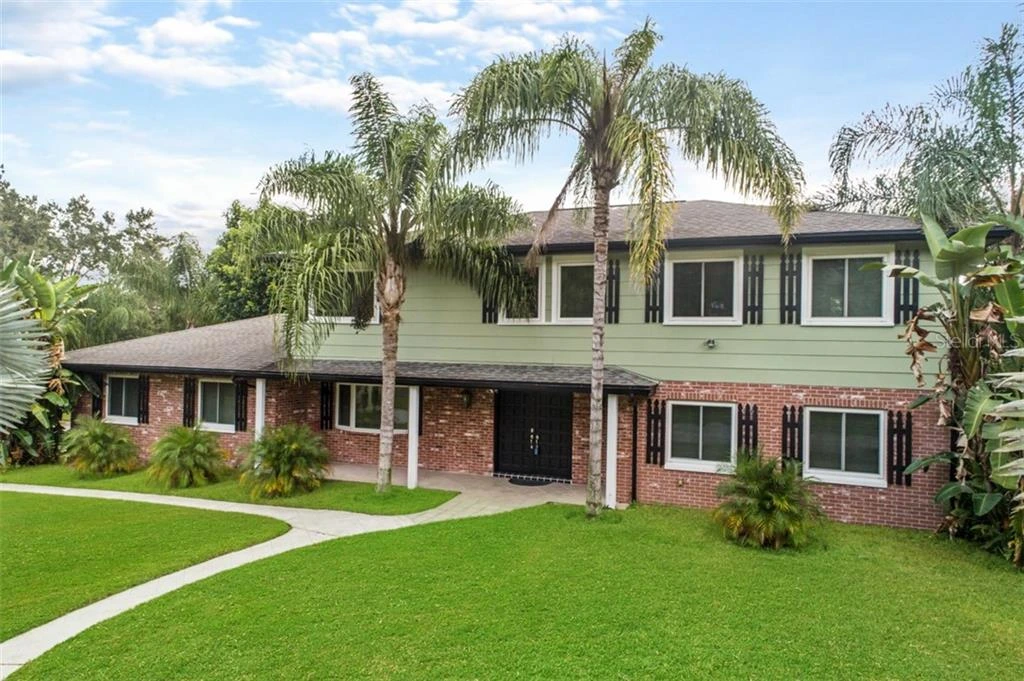
- 7 Summit Pathways, 1910 Orient Road, Tampa, FL 33619
- (813) 212-7149
- Open 24/7 for calls
We’re a single-location treatment center serving adults across Tampa Bay and the State of Florida. Our intentionally small patient capacity means more individual attention and stronger connections with your care team.
Why 7 Summit
Why Choose 7 Summit Pathways
A full continuum of care
From detox through aftercare, you can step down between levels of care with the same team.
Whole-person treatment
The seven dimensions of wellness guide care that supports your body, mind, and life beyond treatment.
Evidence-based and holistic
Therapies like CBT and medication-assisted treatment sit alongside meditative, acupuncture, and equine therapies.
Small by design
We accept a limited number of patients at a time so you're known by name, not by case number.
Trusted since 2015
7 Summit Pathways is accredited by The Joint Commission.
Learn more about us
Questions
Frequently Asked Questions About 7-OH Withdrawal
How long does 7-OH withdrawal last?
Symptoms often start 12 to 24 hours after your last dose and tend to peak around 48 to 72 hours. Most physical symptoms ease within about a week to 10 days. Sleep problems, low mood, and cravings can last for several weeks, which is why ongoing support matters.
Can you die from 7-OH withdrawal?
Withdrawal itself is rarely life-threatening, but complications like severe dehydration can become dangerous, especially if you have other health conditions or use other substances. The bigger risk often comes after withdrawal: your tolerance drops, so returning to your old dose can lead to overdose. Medical supervision helps you get through withdrawal safely and plan what comes next.
Can I detox from 7-OH at home?
Some people with mild to moderate symptoms, stable health, and a safe home can detox on an outpatient basis with regular medical check-ins. Detoxing alone without medical guidance makes it harder to manage symptoms and raises the risk of relapse. A clinical assessment will show which setting is safe for you.
Does switching to kratom help with 7-OH withdrawal?
Some people try to replace concentrated 7-OH with kratom leaf, but kratom also acts on opioid receptors and can keep dependence going. Product strength is inconsistent, so self-managed substitution is unpredictable. Talk with a medical provider before changing what you take.
What medications help with 7-OH withdrawal?
Because 7-OH acts on opioid receptors, prescribers may consider medications used for opioid withdrawal, such as buprenorphine, plus medicines that relieve nausea, diarrhea, and sleep problems. The right choice depends on your health and history. All medication decisions should be made and monitored by a licensed prescriber.
How is 7-OH withdrawal different from kratom withdrawal?
Kratom leaf withdrawal is usually milder. Concentrated 7-OH has much stronger opioid effects, so its withdrawal tends to look more like withdrawal from prescription opioids, with more intense physical symptoms and cravings.
Does insurance cover 7-OH detox?
Many insurance plans cover medically necessary detox and addiction treatment, but coverage depends on your specific plan. Our admissions team will verify your benefits and walk you through your options. Financing is available if you’re uninsured or prefer to self-pay.
Is treatment confidential?
Yes. We keep admissions and treatment confidential and handle your health information with care. You can ask our admissions team any questions about privacy before you commit to anything.
Start 7-OH Detox at 7 Summit Pathways
You don’t have to push through 7-OH withdrawal alone. Reach out today, and we’ll help you understand your options and take the next step toward recovery.

Reviewed for Medical Accuracy By:
Dr. Wilson has more than 20 years of experience treating addiction after completing his fellowship at the University of Florida. He has been part of our treatment team since our inception in 2015 and is our medical director and CEO.
This page is for informational purposes only and is not a substitute for professional medical advice, diagnosis, or treatment. Always consult a qualified healthcare provider about your situation. If you are in crisis, call or text 988 (Suicide & Crisis Lifeline). In an emergency, call 911.