
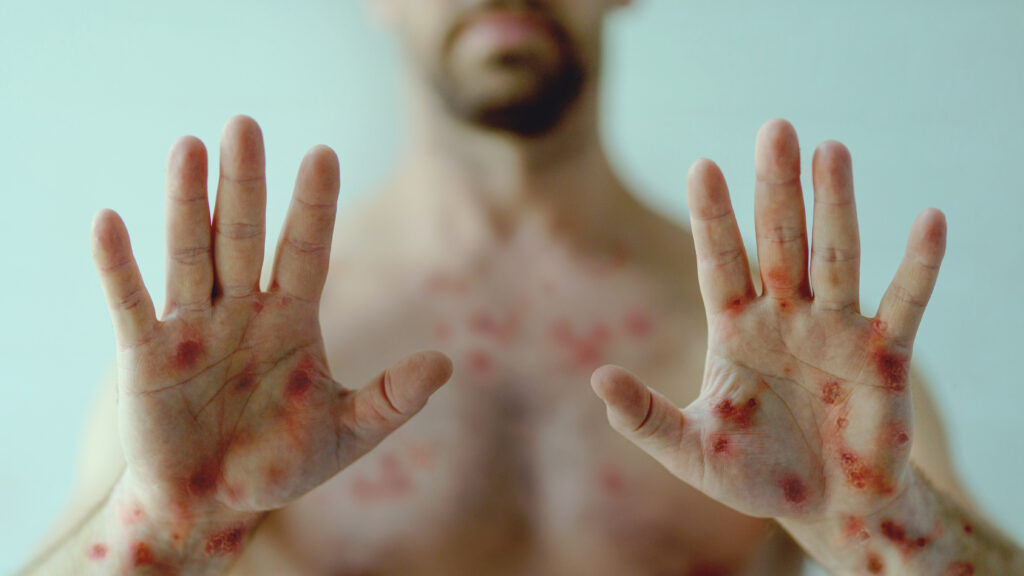
Methamphetamine abuse leaves visible marks on the body, with meth sores being one of the most distinctive and distressing physical consequences. These open wounds and skin lesions serve as external indicators of the internal damage caused by this powerful stimulant. At 7 Summit Pathways in Tampa, Florida, we understand that healing from meth addiction requires addressing both the psychological dependency and the physical toll the drug takes on your body.
If you or someone you love is struggling with methamphetamine use and experiencing skin problems, you’re not alone. Recovery is possible, and the physical healing that comes with sobriety can be remarkable. Our compassionate team is here to help you understand what’s happening to your body and guide you toward comprehensive healing.
For immediate support with meth addiction in Tampa, call 7 Summit Pathways at (813) 630-4673.
What Are Meth Sores?
Meth sores are open wounds, lesions, scabs, and skin infections that commonly develop in people who use methamphetamine. These sores can appear anywhere on the body but are most frequently found on the face, arms, and legs. They range from small scratches and scabs to large, infected wounds that can leave permanent scarring.
According to the National Institute on Drug Abuse (NIDA), methamphetamine use causes numerous physical health consequences, including severe dental problems and skin sores from picking and scratching.
The appearance of meth sores typically includes:
- Open wounds that don’t heal properly
- Crusty, oozing scabs
- Red, inflamed skin patches
- Infected lesions with pus or discharge
- Scarring and skin discoloration
- Burns or blisters (particularly with smoking meth)
These visible signs often cause shame and social isolation, making it even harder for individuals to seek the help they desperately need.
What Causes Meth Sores?
Understanding why meth sores develop is essential to recognizing the comprehensive damage methamphetamine inflicts on the body. Several interconnected factors contribute to these painful skin conditions:
Compulsive Skin Picking
One of the most significant causes of meth sores is a phenomenon called “formication” — the sensation of bugs crawling under the skin. This hallucination, often referred to as “meth mites” or “crank bugs,” causes users to obsessively scratch and pick at their skin in an attempt to remove the imagined insects.
The Substance Abuse and Mental Health Services Administration (SAMHSA) recognizes these tactile hallucinations as common symptoms of methamphetamine intoxication. The compulsive picking behavior can continue for hours, creating deep wounds that become infected and difficult to heal.
Impaired Wound Healing
Methamphetamine constricts blood vessels and reduces blood flow throughout the body. This vasoconstriction means that tissues receive less oxygen and fewer nutrients, dramatically slowing the body’s natural healing processes. Even minor scratches or injuries can develop into serious wounds when the body cannot heal itself effectively.
Weakened Immune System
Chronic meth use suppresses the immune system, making users more vulnerable to bacterial infections. When combined with poor hygiene habits common among people struggling with addiction, these infections can quickly spread and worsen existing sores.
Malnutrition and Dehydration
Methamphetamine is a powerful appetite suppressant that also causes severe dehydration. The resulting malnutrition and lack of proper hydration deprive the skin of essential nutrients needed to maintain its integrity and heal from damage. Skin becomes dry, brittle, and prone to cracking and breaking.
Poor Hygiene
During active addiction, personal care often becomes a low priority. Infrequent bathing, lack of wound care, and unsanitary living conditions all contribute to the development and worsening of meth sores.
Direct Chemical Burns
Some users experience direct chemical burns from smoking methamphetamine or from the drug coming into contact with their skin. These burns can create immediate wounds that are particularly susceptible to infection.
The Medical Risks of Untreated Meth Sores
Beyond their painful and disfiguring appearance, meth sores pose serious health risks when left untreated:
Bacterial Infections: Open wounds provide entry points for dangerous bacteria like Staphylococcus aureus, including antibiotic-resistant strains like MRSA. These infections can spread to deeper tissues and even enter the bloodstream.
Cellulitis: This bacterial skin infection causes redness, swelling, warmth, and pain. Without treatment, cellulitis can become life-threatening.
Abscesses: Pockets of pus can form beneath the skin, requiring medical drainage and antibiotic treatment.
Sepsis: In severe cases, skin infections can lead to sepsis, a potentially fatal condition where the body’s response to infection causes widespread inflammation and organ damage.
Permanent Scarring: Even after healing, meth sores often leave behind significant scarring and skin discoloration that can serve as lasting reminders of addiction.
Necrotizing Fasciitis: Though rare, this “flesh-eating” bacterial infection can develop in severe cases and requires immediate medical intervention.
The longer someone continues using methamphetamine, the more severe these complications become. At our Tampa detox center, we provide medical supervision to address both the withdrawal process and any physical health concerns, including skin infections.
How Meth Sores Heal During Recovery
One of the most encouraging aspects of recovery from methamphetamine addiction is watching the body’s remarkable ability to heal. Once someone stops using meth and receives proper medical care, the healing process can begin.
Timeline for Healing
The healing timeline varies based on the severity of the sores, whether infections are present, and individual health factors:
- First Week: With proper nutrition and hydration, skin begins to regain some elasticity. The compulsion to pick stops as withdrawal symptoms are managed.
- 2-4 Weeks: Small sores start to scab over and heal. Inflammation begins to decrease.
- 1-3 Months: Most sores have healed, though scarring may remain. Skin texture and color begin to improve.
- 6-12 Months: With continued sobriety and proper skincare, even deeper scars start to fade. Overall skin health continues to improve.
Medical Treatment for Meth Sores
Professional medical care is essential for healing meth sores safely and effectively. Treatment typically includes:
Wound Cleaning and Care: Healthcare providers clean wounds thoroughly, remove dead tissue, and apply appropriate dressings to promote healing and prevent infection.
Antibiotic Treatment: Both topical and oral antibiotics may be prescribed to treat or prevent bacterial infections.
Pain Management: Non-addictive pain relief options help manage discomfort during the healing process.
Nutritional Support: Proper nutrition with adequate protein, vitamins (especially vitamin C and zinc), and hydration supports skin healing.
Dermatological Care: In some cases, consultation with a dermatologist can address persistent scarring or skin damage.
At our residential addiction treatment program in Tampa, clients receive comprehensive medical care that addresses all physical health concerns, including meth sores, while simultaneously working on the psychological aspects of addiction.
The Psychological Impact of Meth Sores
The visible nature of meth sores creates profound psychological challenges that extend beyond physical discomfort:
Shame and Social Isolation
Many people with meth sores feel intense shame about their appearance. This shame often leads to social withdrawal, making it harder to maintain supportive relationships or seek help. The visible evidence of drug use can also lead to judgment and stigma from others.
Self-Esteem Issues
Watching your skin deteriorate and seeing scars accumulate can devastate self-esteem. Many people struggling with meth addiction report feeling “disfigured” or “ruined,” which can worsen depression and hopelessness.
Employment Barriers
Visible facial sores and scarring can create obstacles to employment, housing, and other opportunities, making recovery feel even more challenging.
Motivation for Recovery
Paradoxically, the distress caused by meth sores sometimes becomes a powerful motivator for seeking treatment. Watching the physical toll accumulate can be the wake-up call that finally pushes someone toward recovery.
Our group therapy sessions provide a safe space to process these complex feelings without judgment, surrounded by others who understand the challenges of recovery.
Treatment Options for Methamphetamine Addiction at 7 Summit Pathways
Healing meth sores permanently requires addressing the root cause: methamphetamine addiction. At 7 Summit Pathways in Tampa, we offer comprehensive treatment programs designed to support every aspect of recovery.
Medical Detoxification
The first step in recovery is safely managing withdrawal symptoms under medical supervision. Our detox program provides 24/7 medical monitoring, medications to ease discomfort, and immediate treatment for any medical complications, including infected meth sores.
During detox, our medical team:
- Monitors vital signs and overall health
- Treats wounds and infections
- Provides nutritional support and hydration
- Manages withdrawal symptoms with appropriate medications
- Ensures safety and comfort throughout the process
Inpatient Treatment
Following detox, our inpatient treatment program provides a structured, supportive environment where clients can focus entirely on recovery. This immersive approach includes:
- Individual therapy addressing the underlying causes of addiction
- Evidence-based treatments like cognitive-behavioral therapy
- Medical care for ongoing physical health concerns
- Nutritional counseling and healthy meal planning
- Life skills training for long-term success
- Relapse prevention strategies
The residential setting allows continuous wound care and monitoring of healing progress while clients work on their psychological recovery.
Partial Hospitalization Program (PHP)
For those transitioning from residential care or who need intensive support while living at home, our Partial Hospitalization Program offers structured daily treatment with the flexibility to return home each evening.
PHP participants receive:
- 5-6 hours of programming daily, 5 days per week
- Continued medical monitoring and wound care
- Medication-assisted treatment when appropriate
- Therapy sessions addressing addiction and co-occurring mental health conditions
- Support for reintegrating into work, school, or family life
Intensive Outpatient Program (IOP)
Our Intensive Outpatient Program provides continued support as clients build their new life in recovery. This flexible option allows people to maintain employment or other responsibilities while receiving:
- 9-12 hours of therapy weekly
- Ongoing medical follow-up
- Relapse prevention education
- Peer support and accountability
- Skills for managing triggers and cravings
Specialized Therapies and Services
Recovery from methamphetamine addiction requires addressing the whole person. Our specialty services include:
- Cognitive Behavioral Therapy: Helping clients identify and change thought patterns that contribute to drug use
- Trauma-Informed Care: Addressing underlying trauma that may fuel addiction
- Family Therapy: Rebuilding relationships and creating a supportive home environment
- Dual Diagnosis Treatment: Treating co-occurring mental health conditions alongside addiction
- Holistic Therapies: Supporting overall wellness through mindfulness, movement, and stress management
Preventing Meth Sores: The Importance of Early Intervention
The best way to prevent meth sores is to address methamphetamine use before these severe physical consequences develop. If you or someone you love is experimenting with meth or showing early signs of addiction, seeking help immediately can prevent devastating physical and psychological damage. Stimulants affect the body in lasting ways, so anyone on prescription stimulants should learn how to taper off Vyvanse gradually.
Early warning signs of methamphetamine use include:
- Increased energy and decreased need for sleep
- Rapid weight loss and decreased appetite
- Dental problems (often called “meth mouth”)
- Increased physical activity and fidgeting
- Dilated pupils and rapid eye movement
- Mood swings and increased irritability
- Paranoia or hallucinations
- Picking at skin or hair
According to the National Institute on Drug Abuse, early intervention significantly improves treatment outcomes and reduces the risk of long-term health consequences.
Supporting a Loved One with Meth Sores
If someone you care about is struggling with methamphetamine addiction and has developed meth sores, you may feel helpless and unsure how to help. Here are some ways to provide support:
Approach with Compassion, Not Judgment
Your loved one is likely already feeling shame about their appearance and situation. Approaching them with empathy and concern rather than criticism creates space for honest conversation about getting help.
Educate Yourself
Understanding methamphetamine addiction and its physical effects helps you provide informed support and recognize when medical intervention is urgently needed.
Encourage Professional Treatment
While your support is valuable, overcoming meth addiction requires professional help. Gently encourage your loved one to seek treatment and offer to help them find resources or make that first call.
Set Boundaries
Supporting someone with addiction doesn’t mean enabling their drug use. Set clear boundaries about what behaviors you will and won’t accept, and follow through consistently.
Take Care of Yourself
Supporting someone with addiction is emotionally exhausting. Our family therapy program provides education and support for family members navigating these challenges.
Consider an Intervention
If your loved one refuses to acknowledge their problem or seek help, a professionally guided intervention may be necessary. Our team can help you plan and execute an effective intervention.
The Role of Nutrition in Healing Meth Sores
Proper nutrition plays a crucial role in skin healing and overall recovery from methamphetamine addiction. During active addiction, most people experience severe malnutrition that contributes to poor wound healing and overall health deterioration.
Key Nutrients for Skin Healing
Protein: Essential for tissue repair and new cell growth. Good sources include lean meats, fish, eggs, beans, and nuts.
Vitamin C: Supports collagen production and immune function. Found in citrus fruits, berries, bell peppers, and leafy greens.
Zinc: Crucial for wound healing and immune function. Present in meat, shellfish, legumes, and seeds.
Vitamin A: Promotes skin cell growth and repair. Available in sweet potatoes, carrots, spinach, and liver.
Omega-3 Fatty Acids: Reduce inflammation and support skin health. Found in fatty fish, walnuts, and flaxseed.
B Vitamins: Support cellular metabolism and skin health. Present in whole grains, meat, eggs, and leafy vegetables.
At 7 Summit Pathways, nutritional counseling is integrated into all our treatment programs, ensuring clients receive the dietary support needed for physical healing alongside psychological recovery.
Long-Term Skin Care After Recovery
Even after meth sores heal, some scarring may remain. Fortunately, continued sobriety and proper skincare can significantly improve skin appearance over time.
Skincare Recommendations
- Sun Protection: Use broad-spectrum sunscreen daily, as scarred skin is more vulnerable to sun damage
- Moisturization: Keep skin well-hydrated with gentle, fragrance-free moisturizers
- Gentle Cleansing: Use mild cleansers that don’t irritate healing or scarred skin
- Professional Treatments: Consider dermatological treatments like chemical peels, microdermabrasion, or laser therapy for persistent scarring
- Healthy Lifestyle: Continue eating well, staying hydrated, avoiding tobacco, and managing stress
Remember that skin continues to improve for months and even years into recovery. Many people are amazed at how much their appearance improves with sustained sobriety.
Why Choose 7 Summit Pathways for Meth Addiction Treatment in Tampa?
When you’re ready to break free from methamphetamine addiction and heal both physically and emotionally, choosing the right treatment center makes all the difference. Here’s why individuals and families throughout Florida trust 7 Summit Pathways:
Comprehensive Medical Care
Our experienced medical team addresses all aspects of physical health during recovery, including wound care, infection treatment, and management of other health complications related to meth use.
Evidence-Based Treatment Approaches
We use proven, research-backed treatment methods that give you the best chance at long-term recovery. According to SAMHSA, comprehensive treatment that addresses both physical and psychological aspects of addiction produces the best outcomes.
Dual Diagnosis Expertise
Methamphetamine addiction rarely exists in isolation. Our dual diagnosis treatment addresses co-occurring mental health conditions like depression, anxiety, and PTSD that often accompany addiction.
Individualized Treatment Plans
We recognize that every person’s journey with addiction is unique. Your treatment plan is customized to address your specific needs, challenges, and goals.
Comfortable, Supportive Environment
Our Tampa facility provides a healing environment where you can focus entirely on recovery, surrounded by compassionate professionals and peers who understand what you’re going through.
Continuum of Care
From medical detox through inpatient treatment, PHP, IOP, and aftercare planning, we support you through every stage of recovery.
Local Access to Care
Located in Tampa, we serve individuals and families throughout Florida, making it easier to access quality treatment close to home and maintain connection with your support system.
Insurance Acceptance
We work with most major insurance providers to make treatment accessible and affordable. Our admissions team can verify your coverage and explain your options.
Take the First Step Toward Healing Today
Meth sores are visible evidence of the damage methamphetamine inflicts on your body, but they don’t have to define your future. With comprehensive addiction treatment and proper medical care, these wounds can heal, and you can rebuild your health and your life.
At 7 Summit Pathways in Tampa, we’ve helped countless individuals overcome methamphetamine addiction and watched their bodies and spirits heal through recovery. You deserve that same opportunity for transformation.
Recovery begins with a single decision — the decision to ask for help. Our compassionate admissions team is available 24/7 to answer your questions, verify insurance coverage, and help you begin your journey toward healing.
Call 7 Summit Pathways at (813) 630-4673 right now to speak with an addiction specialist. Your new life is waiting.
Frequently Asked Questions About Meth Sores
How long does it take for meth sores to heal?
With proper medical care and sustained sobriety, most meth sores begin healing within 2-4 weeks. Complete healing of deeper wounds may take several months. Scarring can continue to fade for a year or more into recovery.
Can meth sores get infected?
Yes, meth sores are highly susceptible to bacterial infections due to weakened immune function, poor hygiene, and repeated picking. Infections require prompt medical treatment with antibiotics.
Will meth sores leave permanent scars?
Some scarring may be permanent, especially from deep wounds or repeated infections. However, scars typically fade significantly with time and proper skincare. Dermatological treatments can further reduce scar appearance.
What’s the difference between meth sores and acne?
Meth sores are typically larger, more irregular, and slower to heal than acne. They’re often concentrated in areas where picking occurs and may show signs of infection. Meth sores also occur alongside other signs of drug use.
Can you heal meth sores while still using meth?
It’s nearly impossible to heal meth sores while continuing to use methamphetamine. The drug’s effects on blood flow, immune function, and behavior prevent proper wound healing. Recovery requires stopping meth use.
Does insurance cover treatment for meth addiction?
Most insurance plans cover addiction treatment. The admissions team at 7 Summit Pathways can verify your specific coverage and explain your benefits. Call (813) 630-4673 for a free, confidential insurance verification.
If you or someone you love is struggling with methamphetamine addiction in Tampa, Florida, help is available right now. Contact 7 Summit Pathways at (813) 630-4673 or visit us at 1910 Orient Rd, Tampa, FL 33619. Recovery starts with a phone call — make yours today.